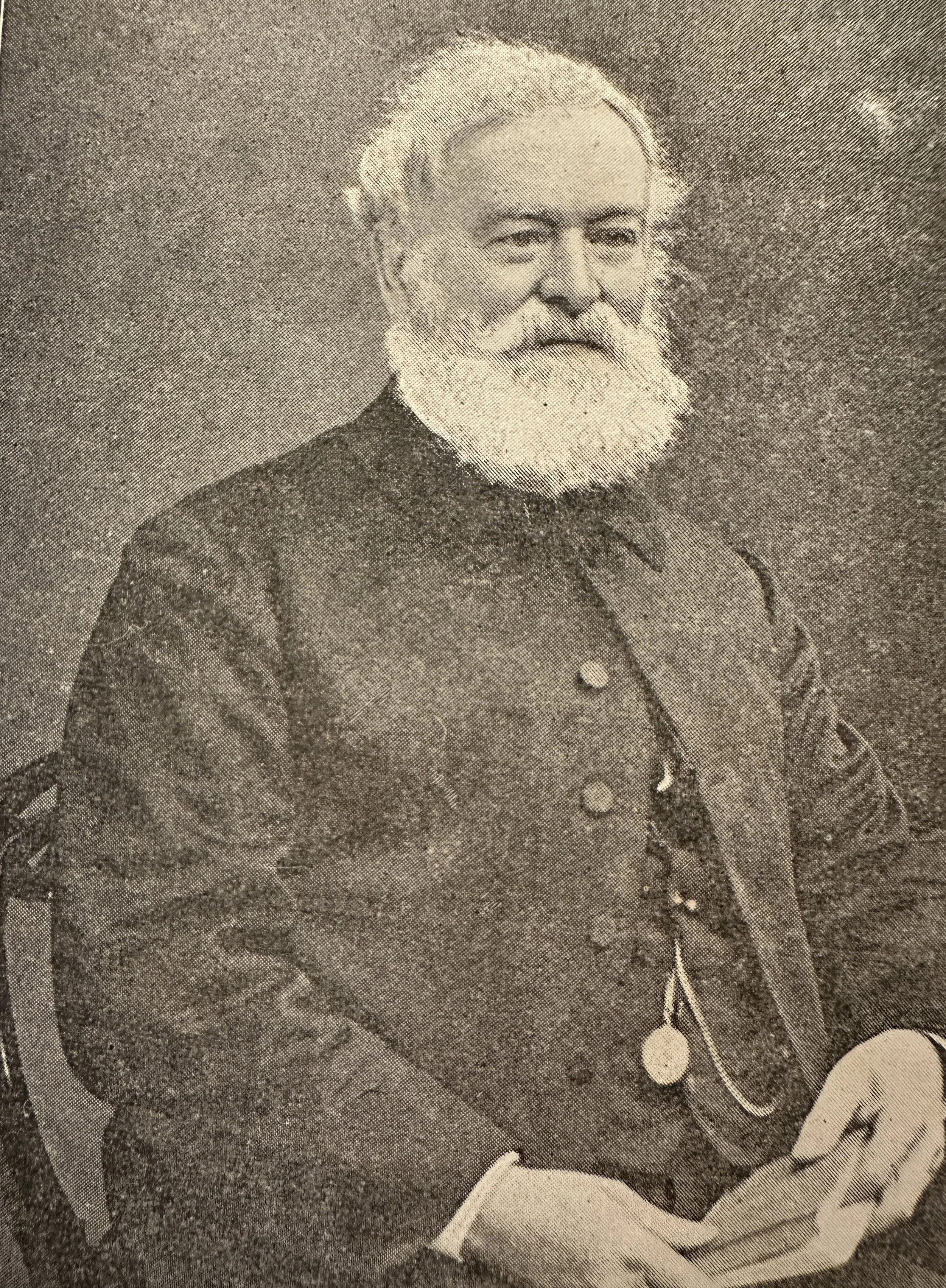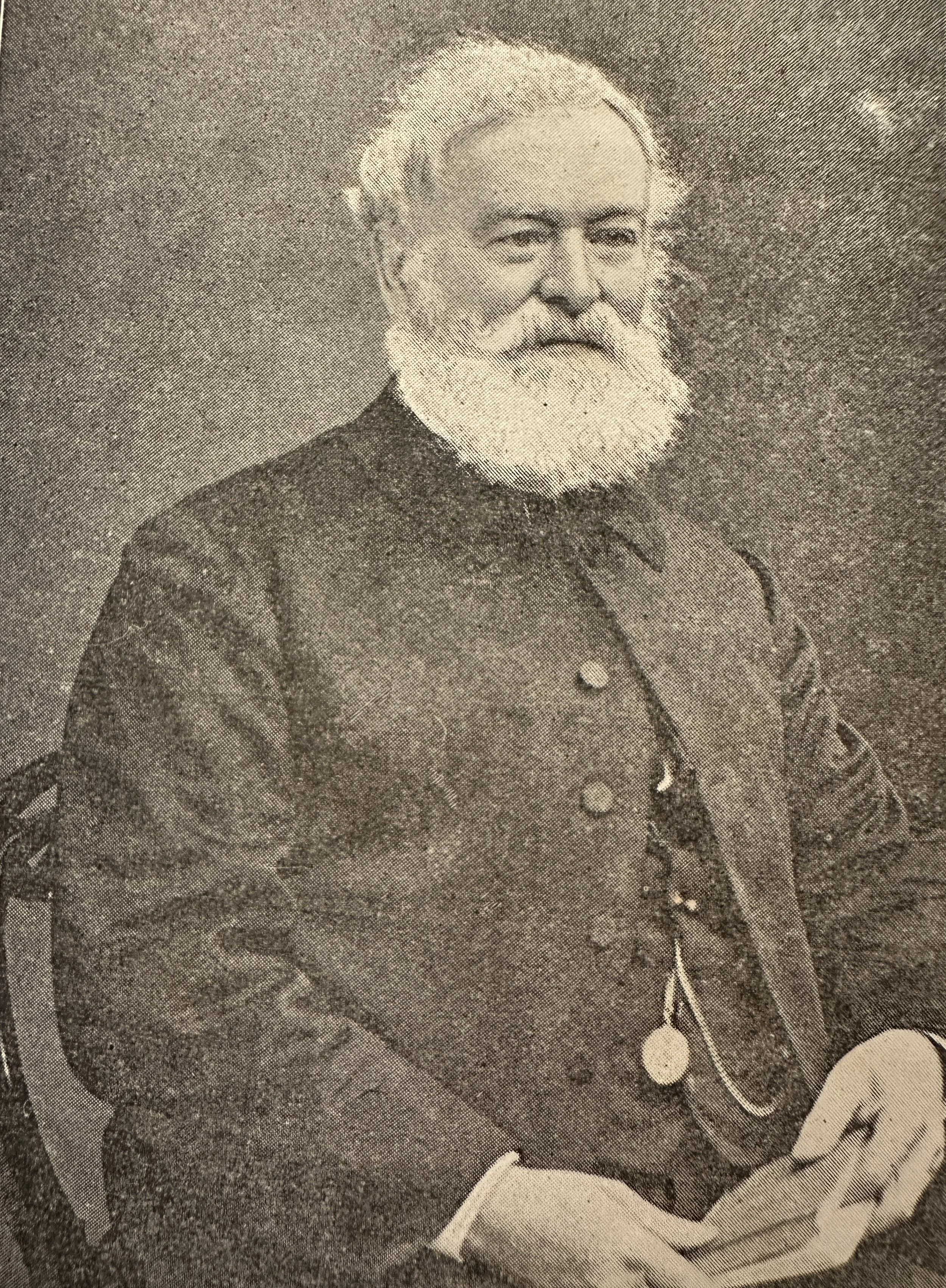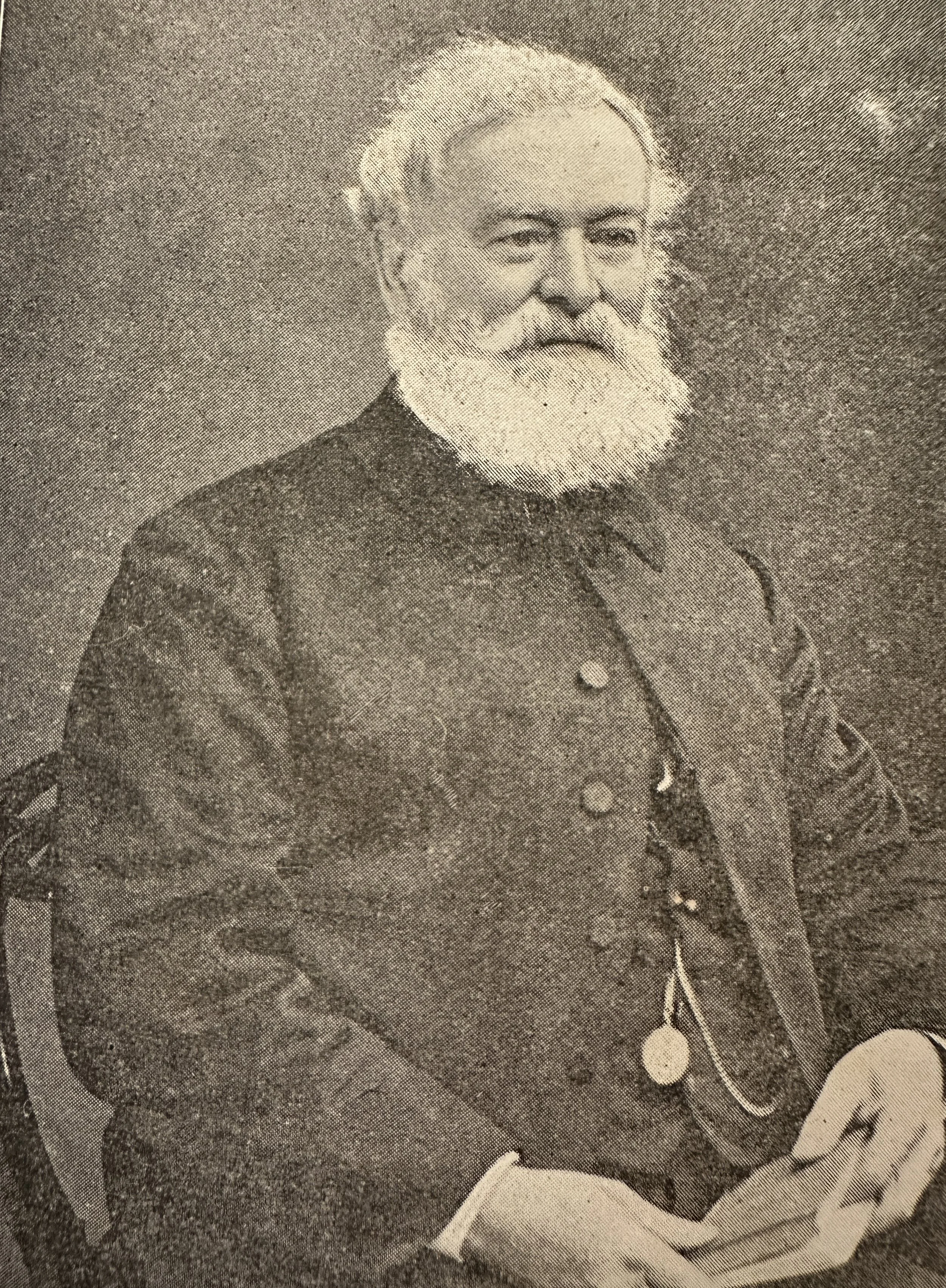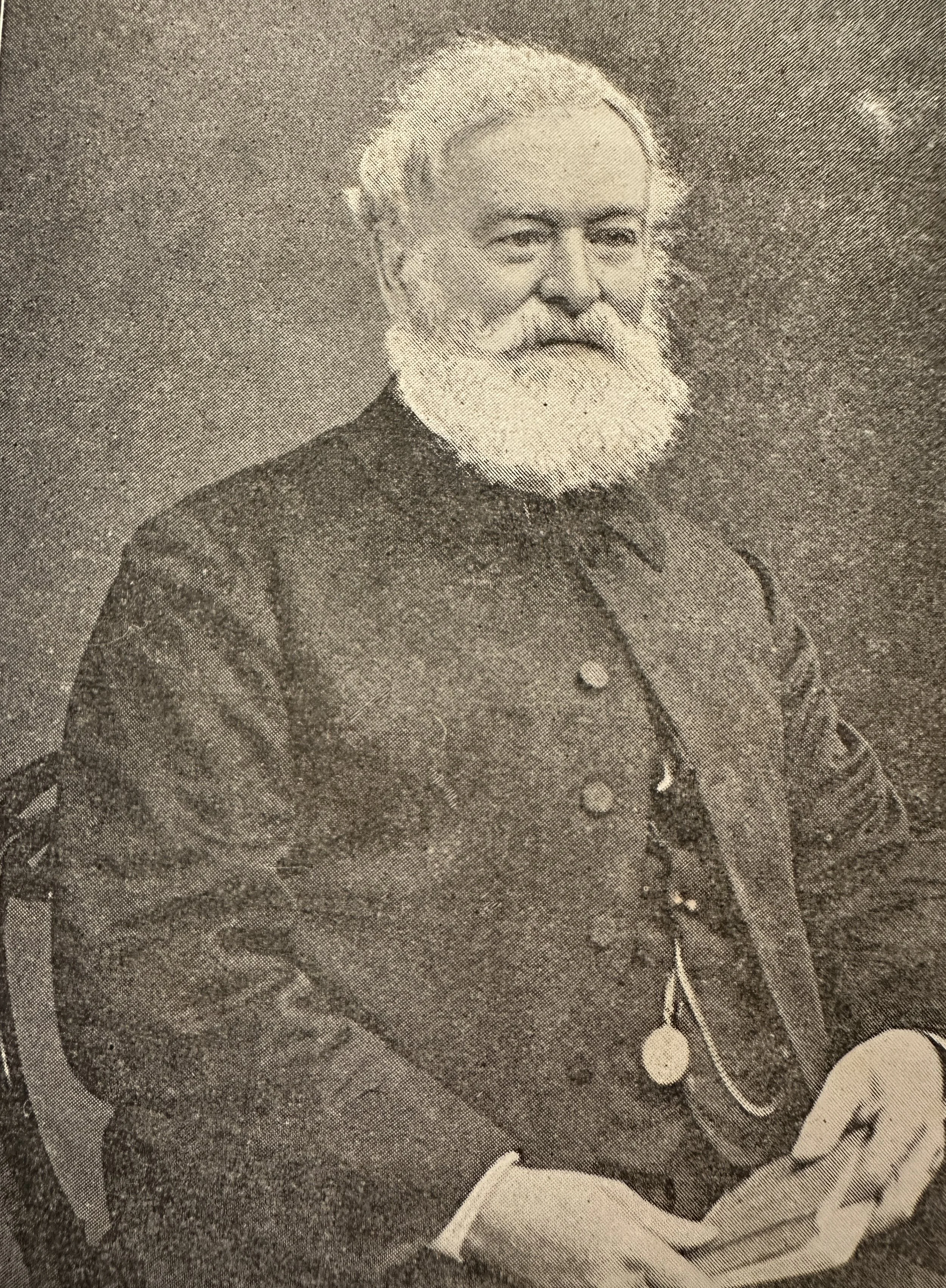
Robert Nevin (1817-1892).
James Dodson
Biographical Sketch
Robert Nevin was born on October 21, 1817, at Carnaff near Dervock, into a Scottish-origin family distinguished for intelligence, humor, and deep piety; after excelling under classical teachers and at Edinburgh University (where he heard Dr. Chalmers), he studied theology at Paisley under Dr. Symington and was licensed to preach in May 1841. Ordained to the troubled Londonderry congregation on February 1, 1842, following a bitter secession and property dispute, he soon revealed his latent administrative courage by securing the congregation’s rights and raising £2,000 to erect the present church on Clarendon Street, opened in 1858—a feat requiring extensive travel including over 8,000 miles in America. Despite his gentle, retiring nature, he became a formidable force in the pulpit, delivering 11,298 sermons drawn from 1,888 carefully prepared discourses while lecturing systematically through Scripture; his exacting methodical habits produced meticulous chronological and topical records of his ministry spanning fifty-one years. Simultaneously he served as Clerk of Presbytery from 1846 and Clerk of Synod from 1864, and edited the Irish RP’s periodical The Covenanter for twenty-three years (1868–1891), contributing masterly theological and controversial articles. Renowned for his self-contained intellect, remorseless logic, and occasional prophetic sternness in denouncing scandal, yet capable of tender pathos, he maintained an unwavering course of study and preparation until his last painful service on October 2, 1892, dying at age 75.
WORKS: