PSALMS versus HYMNS
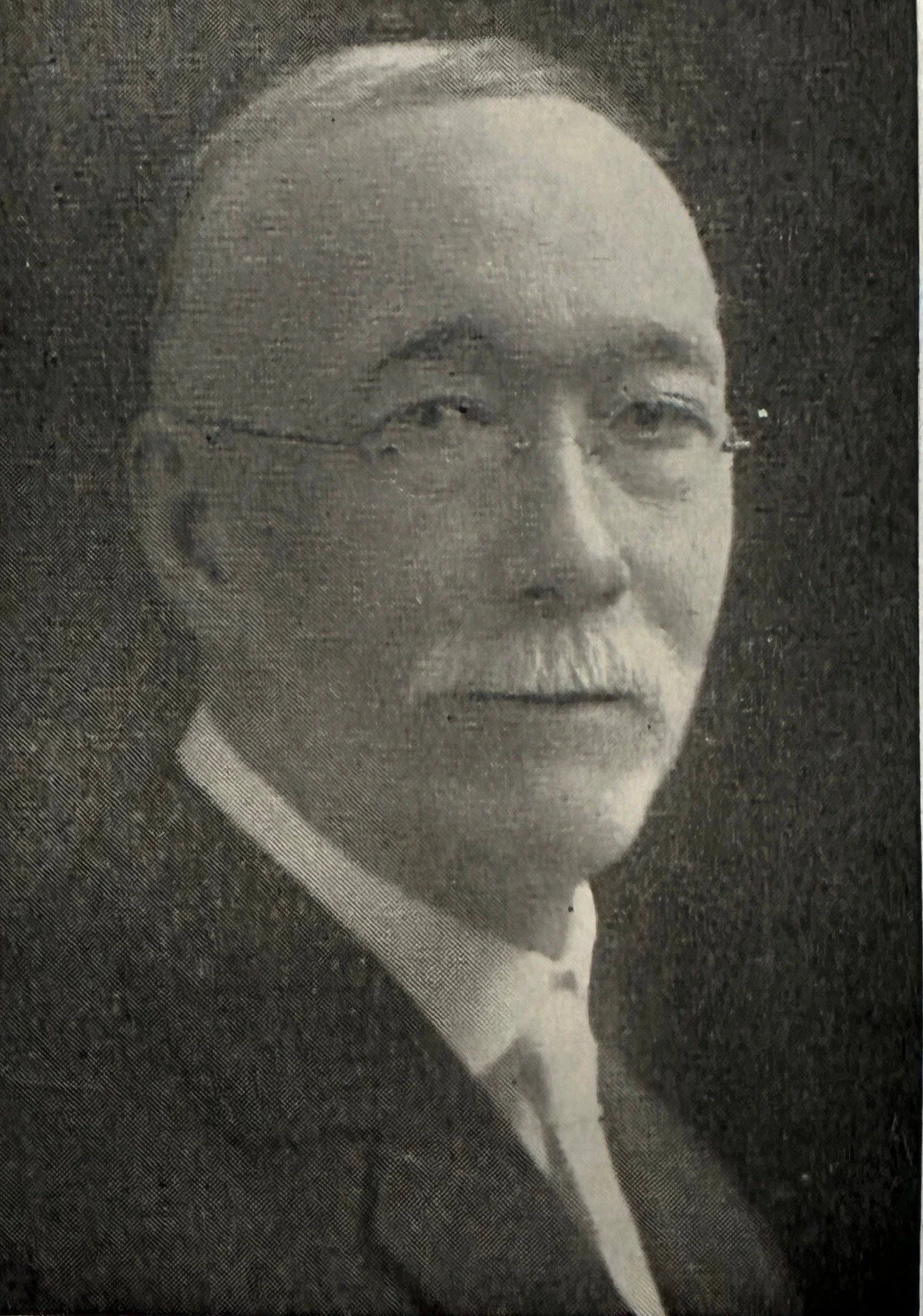
James Dodson
Report on Psalmody
Adopted by the Synod
of the
Reformed Presbyterian Church
PHILADELPHIA, PA., MAY 27, 1908
PREPARED BY
REV. J. C. McFEETERS, D. D.
PHILADELPHIA, PA.
PUBLISHED BY THE COMMITTEE ON TESTIMONY BEARING
REV. W. J. COLEMAN, CHAIRMAN
1205 BOYLE STREET, ALLEGHENY, PA.
SUPPLIED FREE ON APPLICATION
The terms, “Psalms” and “Hymns,” are here used in the popular sense. The hymns and songs to which reference is made in the New Testament are all, on best authority, found in the Old Testament Psalter.
“In the Septuagint version the titles of the Psalms are variously rendered ‘Psalm,’ ‘Hymn’ and ‘Song.’ In the New Testament we find our Lord and His apostles singing a hymn after the institution of the Lord’s Supper; Paul and Silas doing the same in their prison at Philippi; James recommending Psalm singing, and Paul ‘Psalms and hymns and spiritual songs.’ All the words thus used were applied by the LXX. to the Davidical Psalms.”—Encyclopædia Britannica, Article on Hymns.
Psalms versus Hymns
DEFINITION.
Psalms.
The Psalms are the Hundred and Fifty poems, indited by the Holy Spirit, written by inspired men, bound up in the heart of the Bible, recast in metrical versions and sung in the worship of God.
Hymns.
The Hymns are the various collections of verse, composed by uninspired men, and received by some churches to be sung in divine service as a part of God’s worship.
AUTHORIZATION.
Psalms.
The Psalms are authorized of God to be sung in His praise. From the beginning God zealously safe-guarded the whole system of His worship by definite instructions and commands. He authorized what He would accept, and gave unmistakable evidence that He would accept only what He authorized. The Book of Psalms clearly bears the seal of His authorization. “Let us come before His presence with thanksgiving, and make a joyful noise unto Him with psalms.” Ps. 95:2.
Hymns.
The Hymns are unauthorized. In relation to God’s Book of Praise, they are additional, extraneous, unwarranted, bearing only the sanction of man. With authority that is merely human, they are often offered up as praise to the great and dreadful God whose Name is holy. Well might the worshipper pause and listen to God’s challenge: “When ye come to appear before me, who hath required this at your hands?” Isaiah 1:12.
INSPIRATION.
Psalms.
The Psalms are all inspired. The Holy Spirit guided the writers in such a manner that, while their minds were perfectly free to act, their pen was unerringly exact in writing what God intended His church to sing in His worship. “Holy men of God spake as they were moved by the Holy Ghost.” II. Pet. 1:21.
Hymns.
The Hymns are uninspired. Men are no longer infallibly guided by the Holy Spirit in writing or speaking for the church. Even hymnists are unwilling to accept the consequence of claiming for their poems parity with the Bible. “If any man shall add unto these things, God shall add unto him the plagues that are written in this book.” Rev. 22:18.
PERFECTION.
Psalms.
The Psalms are all perfect. Having their origin in God, and proceeding from inspired men, they are all pure, all true, all good, all great. From first to last they have no dross, no error, no weakness, no unworthy thought, no dead parts. “The words of the Lord are pure words: as silver tried in a furnace of earth, purified seven times.” Ps. 12:6.
Hymns.
The Hymns are imperfect. Proceeding from fallible men, they must in the very nature of the case be more or less impure. The cup may be engraved silver or gold, but the contents will be colored with the imperfections of the writer. “Who can bring a clean thing out of an unclean? Not one.” Job 14:4.
COMPLETENESS.
Psalms.
The Book of Psalms is a complete manual of praise. God has given it to His church as a finished book, indited, edited and authorized by Himself for His worship. God begins His book of praise with a beatitude as a fountain-head of blessings, from which His own thoughts roll and swell in awful volume and grandeur, till at last they end in doxologies that break upon the sky like the noise of many waters. Thus the book is homogeneous and unique. Jesus makes distinct mention of “the book of Psalms.” Luke 20:42.
Hymns.
Hymn books are incomplete. Hymns grow old, wear out and are cast off. They are fresh today and stale to-morrow. Like a field of flowers, they are beautiful for a season, then wither. Hymnals, like houses, are frequently in need of repair, and the editor’s judgment determines the alterations. With what hesitation should the worshipper approach God in the use of a hymnody that is always in need of improvement. “And if ye offer the blind for sacrifice, is it not evil? And if ye offer the lame and sick, is it not evil?” Mal. 1:8.
FULL OF CHRIST.
Psalms.
The Psalms are full of Christ. The language is scintillating with His names and titles like the starry sky; and His Spirit flows through all the Book like a river, even the river of God’s grace. Jesus appears in the Psalms as the Son of God, the Son of Man, and the Sun of Righteousness, the Christ, the Saviour, the Priest, the Sacrifice, the Judge, the Lawgiver, the Servant, the Teacher, the Friend, the Bridegroom, the Conqueror, the Light of the World, the Tree of Life, the River of God, the Lord of Hosts, the King of Glory. This Book is Christ’s crystal palace, ever radiant with His Person. His Spirit breathes through the Hundred and Fifty. Every Psalm vibrates with His energy, earnestness and grace. He Himself says that the things concerning Him “were written . . . in the Psalms.” Luke 24:44.
Hymns.
The Hymns at best can have no more of Christ than the hymnist’s heart contains. He cannot give out more than he has taken in. What a miniature portrait of Christ, and how imperfect, that which comes from the hand of man, compared with the superb work of the Spirit! Will the former be preferred to the latter? Yes, by many people. The pious poet digs his little ditch, and from God’s great river draws water for his own garden, and large churches turn away from the river to use the poet’s ditch. Such folly would amaze angels and sages, were it not so common. “Will a man leave the snow of Lebanon, which cometh from the rock of the field? or shall the cold flowing waters that come from another place be forsaken?” Jer. 18:14.
GOD’S CHARACTER.
Psalms.
The Psalms are the Holy Spirit’s delineation of God’s character. God appears in the Psalms clothed with His resplendent and awe-inspiring attributes. His perfections shine forth in overwhelming greatness, in matchless harmony, in dazzling holiness. He dwells in light and in darkness, comes in love and in anger, speaks in mercy and in judgment, moves in gentleness and in mightiness. The glory of His Person is in evidence in the Psalms from the portal of entrance to the grate of exit. The Holy Spirit, who gives us this description of God, “searcheth all things, yea, the deep things of God.” I. Cor. 2:10.
Hymns.
The Hymns are imperfect representations of God. His love is the favorite theme; His justice is well nigh forgotten. The hymns warp God’s character, dwarf His personality, mar His countenance, by fulsome expansion of mercy and baneful neglect of judgment. They are man’s distorted conception of the High and Holy One who says: “Thou thoughtest that I was altogether such an one as thyself; but I will reprove thee.” Ps. 50:21.
HUMAN EXPERIENCE.
Psalms.
The Psalms cover the widest range of human experience. They give a lifelike picture of man in nature and man in grace; yea, a gallery of portraits, exhibiting life from the cradle to the skies; sorrow and joy, doubting and faith, warfare and peace, defeat and victory, bondage and liberty, abandonment and companionship, lamentations and hallelujahs. How true to life these sacred, rugged, matchless Psalms! They are God’s answer to man’s question: “Lord, what is man, that Thou takest knowledge of him!” Ps. 144:3.
Hymns.
The Hymns are of necessity as narrow as the man that makes them. And the broadest man on earth is as narrow as a blade of grass, and his poems small as the flower of the grass, in comparison with God, who has given the church the poetry of His heart for the celebration of His praise. “For as the heavens are higher than the earth, so are my ways higher than your ways, and my thoughts than your thoughts.” Is. 55:9.
SPIRITUAL FOOD.
Psalms.
The Psalms supply rich nourishment for the soul. They are laden with the strong doctrines of grace and salvation. They abound in prayers, promises, experiences, consolations and commandments. Every word, having proceeded from God, is meat in the mouth of the eater; the verses are baskets of fruit for the hungry; each Psalm is a table covered with God’s bounties. “How sweet are thy words unto my taste! yea, sweeter than honey to my mouth.” Ps. 119:103.
Hymns.
The Hymns are merely the fruitage of man’s mind; the product of man’s thoughts. Beautiful as field flowers, they are not like God’s ripe harvest; sparkling as electric lights, they are not like God’s health-giving sun. What is a cup of water compared with the mighty river? what a slice of bread compared with the table of a king? The hymns create and express sentiment, but fail to nourish conviction and power. They make wet eyes, but not fat souls. “What is the chaff to the wheat? saith the Lord.” Jer. 23:28.
TERMINATING ON GOD.
Psalms.
The Psalms, as used in worship, terminate on God. The question never rises in the heart of the devout worshipper, How will the Psalms affect man? Will they draw? Will they please? Will they entertain? Such questions would be an offence to this Book of God and to the God of this Book. The Psalms may delight or grieve, attract or repel, justify or convict, exalt or humiliate; yet through all their mysterious operations on the heart of man their music rolls in ceaseless waves upon the eternal throne, ascribing glory to God in the highest. “Be thou exalted, O God, above the heavens: and thy glory above all the earth.” Ps. 108:5.
Hymns.
The Hymns are intended chiefly to terminate on man. Their highest aim is to win souls. They are prepared and rendered to draw, to please, to entertain and arouse the people. They appeal to the emotions, and give satisfaction according as they affect the worshipper. They terminate in nerve vibrations rather than on God. Like a cloud at sea, they fall back upon the surface from which they arose. Surely such strange efforts at praise should awaken serious questions. “For do I now persuade men, or God? Or do I seek to please men? For if I yet pleased men, I should not be the servant of God.” Gal. 1:10.
ACCEPTED OF GOD.
Psalms.
The Psalms carry the assurance of acceptance. The worshipper can be assured that his offering is well pleasing to God. That which has come from God for His service is sure to go back to God in His service. The Psalms, presented to God in faith and love, are a sacrifice without blemish, a sweet savor unto the Lord. What comfort in being assured of acceptance when we appear before God in His worship? “I will accept you with your sweet savour.” Ezek. 20:41.
Hymns.
The Hymns afford no assurance of acceptance. They are without God’s warrant; they are tinctured with human imperfections; they are liable to be cast out any day, even by their own friends, as salt that has lost its savor. How, then, can the worshipper be assured that God accepts the dubious offering? Does not the heart suspect and condemn the act? “Cursed be the deceiver * * * which voweth, and sacrificeth unto the Lord a corrupt thing, for I am a great King: saith the Lord of hosts, and my name is dreadful.” Mal. 1:14.
RESOLUTIONS.
1. We deem it our duty to testify publicly and earnestly to the important fact that the Hundred and Fifty Psalms are God’s own Book of Praise, prepared by the Holy Spirit for universal use, to the exclusion of all other songs and hymns.
2. This Book of Praise constitutes the only divine basis of worship and doctrine upon which the churches can form a real and permanent union. This being true, the use of hymns involves the sin of discord and schism in the church, which is the body of Christ.
3. Covenanters are committed, under the bond of a solemn covenant, to the exclusive use of the Psalms in the praise of God, and cannot depart from this rule at any time or in any place without breaking their covenant and dishonoring the oath.
4. We earnestly urge upon all our churches the duty of improving congregational singing by the systematic study and practice of music, that the musical rendering of the Psalms may be in accord with their divine character.