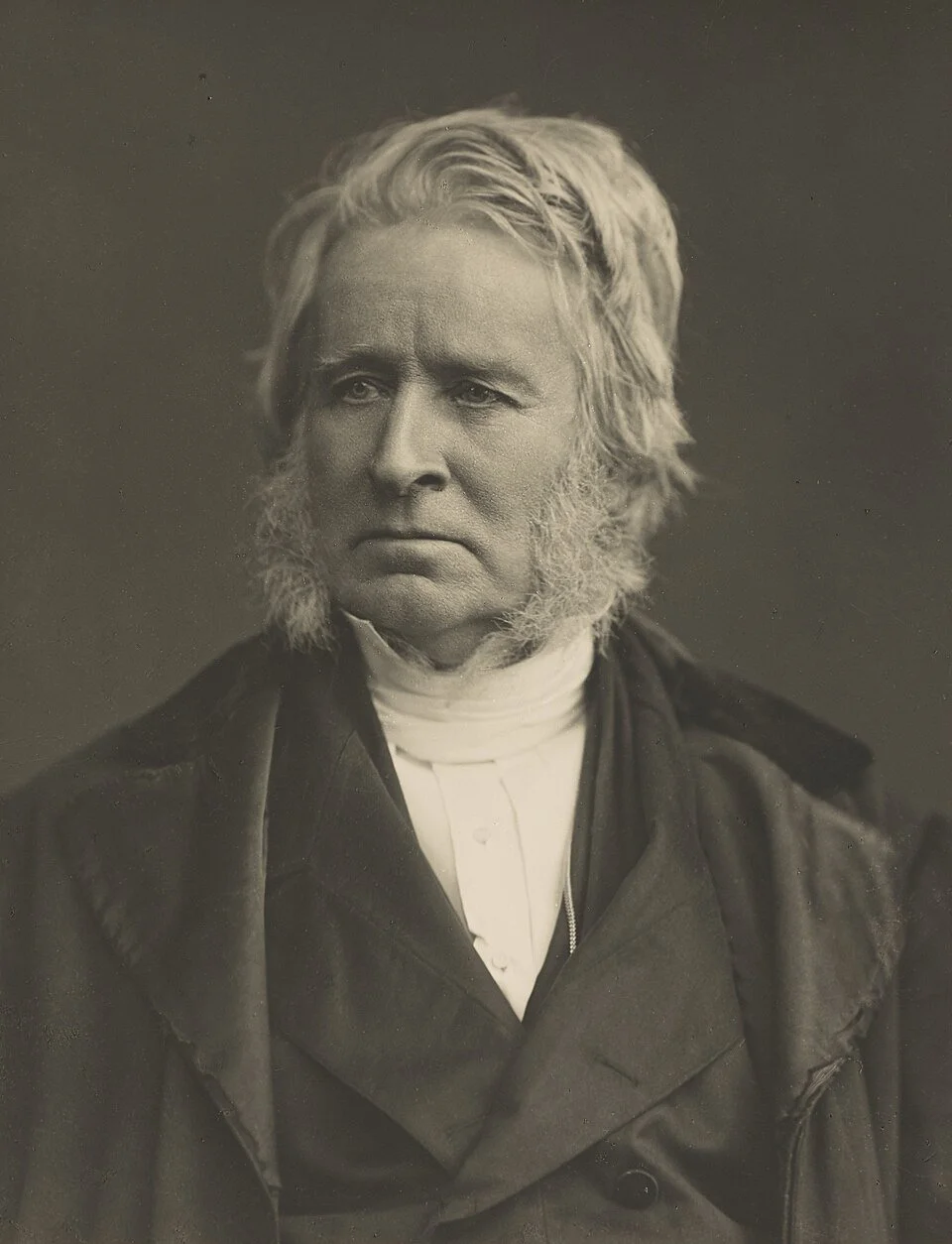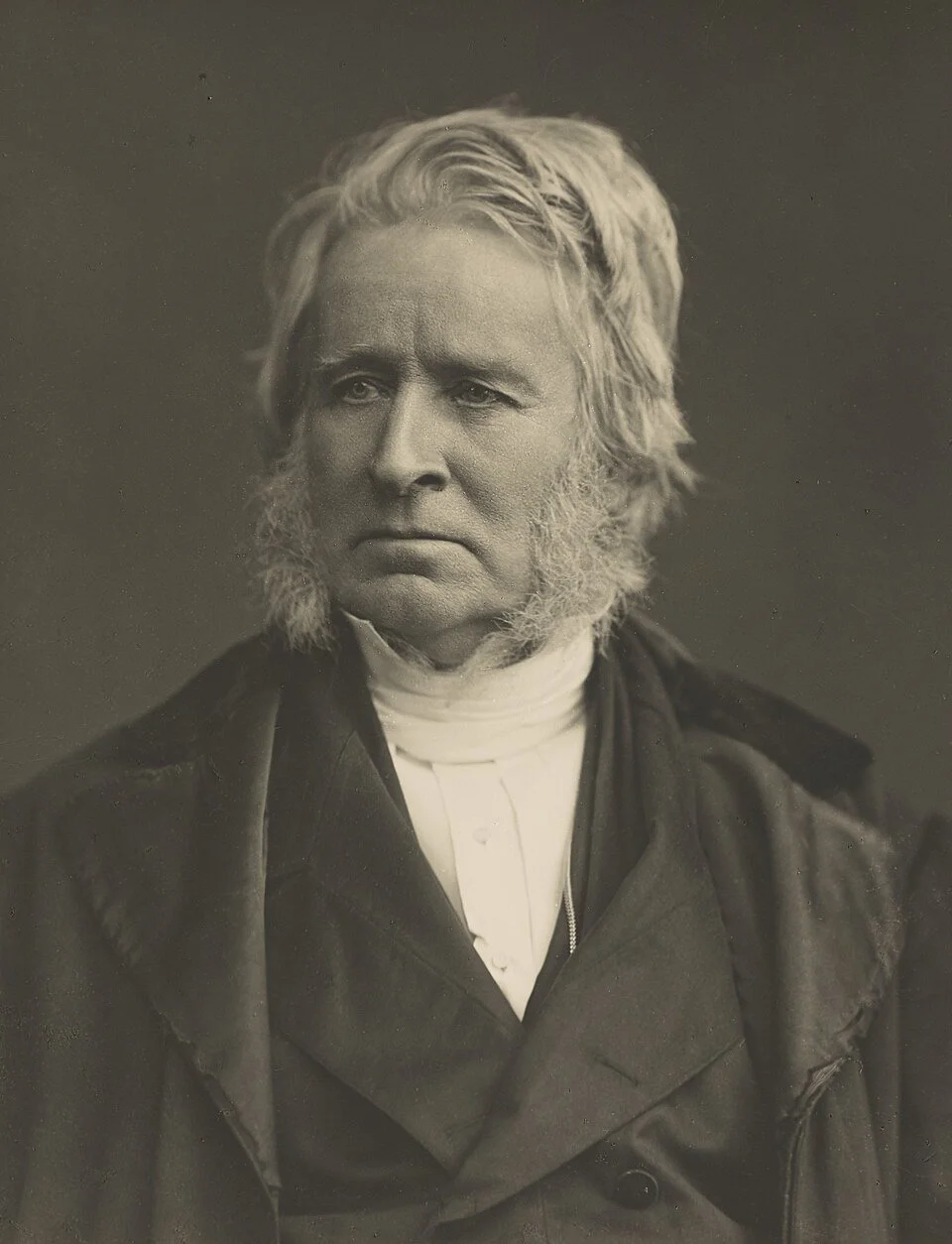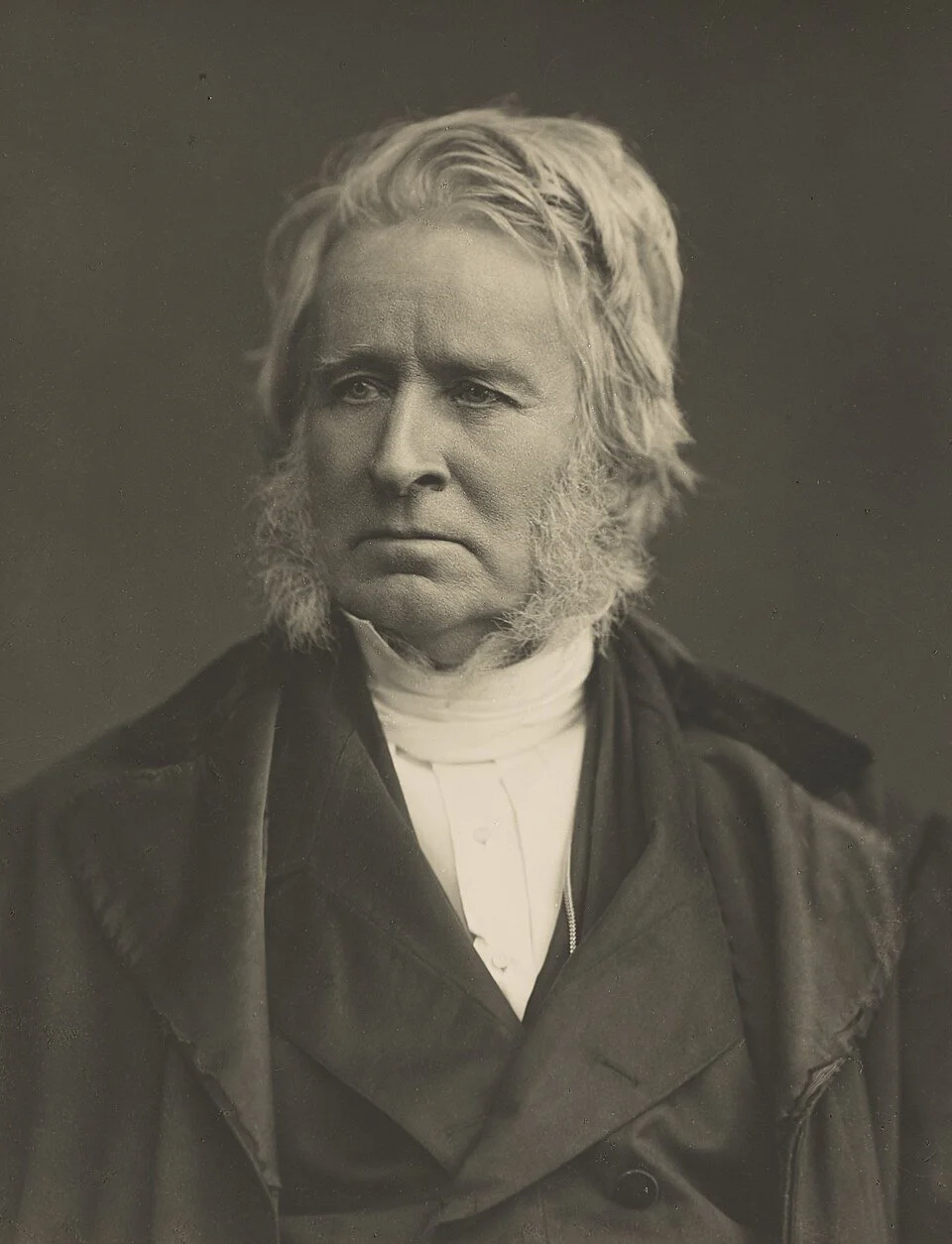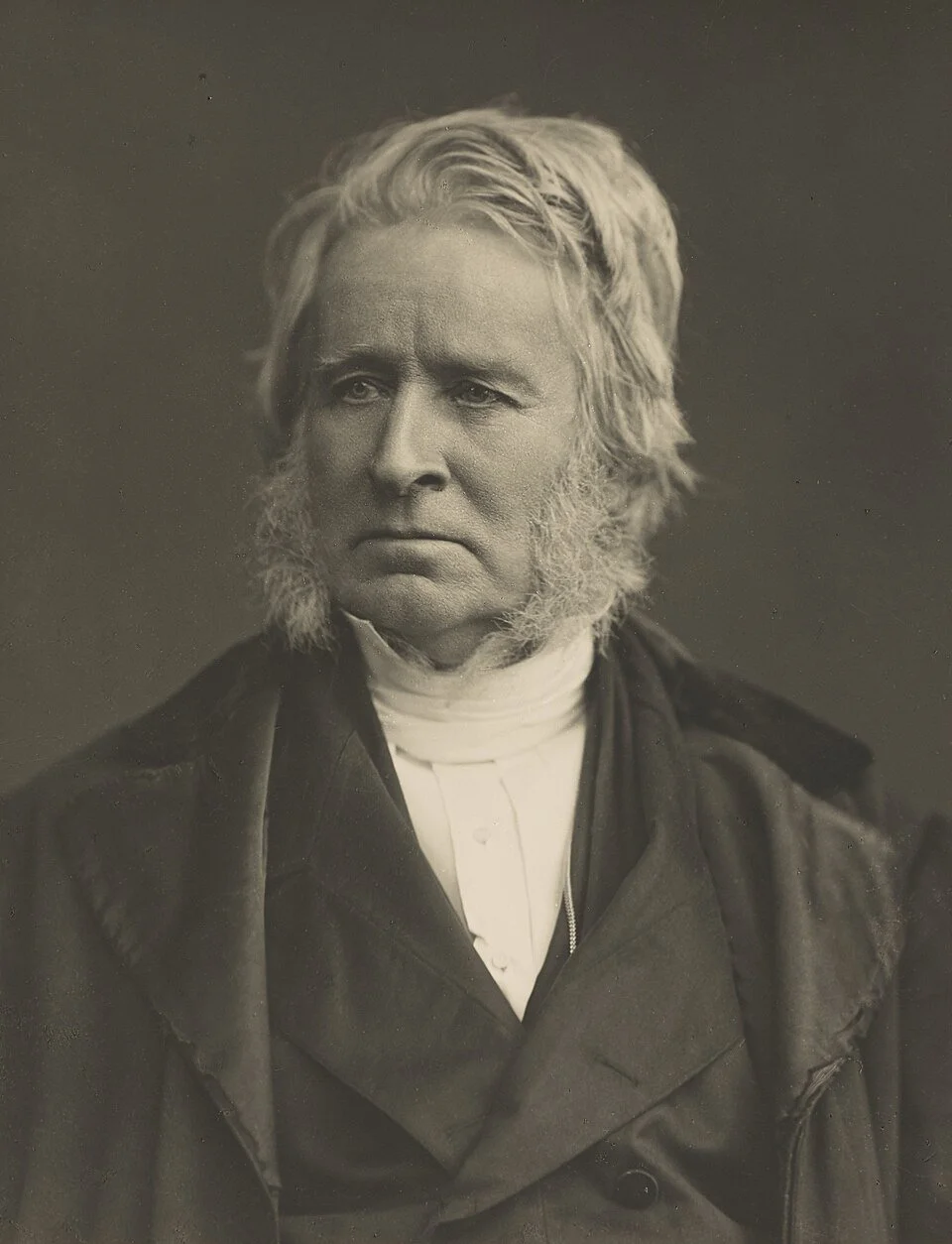
James Begg (1808-1883).
James Dodson
Biographical Sketch
James Begg was born in the manse of New Monkland, Lanarkshire, where his father was minister, on 31 Oct. 1808. He studied at the parish school, then entered the university of Glasgow, where he took his degree of M.A. After passing through the theological curriculum, he was licensed as a preacher in June 1829, and after a short assistantship at North Leith, was ordained to the ministry at Maxwelltown, Dumfries, 18 May 1830. After a very brief incumbency there he was called to be colleague to Dr. Jones in Lady Glenorchy's chapel, Edinburgh, and in 1831 went from Edinburgh to Paisley as minister of the Middle parish church. In 1835 he was called to Liberton, in the vicinity of Edinburgh, where he remained till the Disruption in 1843. Leaving Liberton for Newington, the neighbouring suburb of Edinburgh, he spent the last forty years of his life as minister of Newington Free Church, and was discharging the duties of that office when attacked by his last illness. The degree of D.D. was conferred on him by Lafayette College, Pennsylvania, in 1847.
Besides labouring to advance the cause and principles of the Free church, Begg took a keen and practical interest in the cause of protestantism. He deemed it of supreme importance to watch and expose the efforts of the church of Rome, and in 1850, when the attempt was made to form a Roman catholic hierarchy in England, he vehemently attacked the papacy in speeches, sermons, pamphlets, periodicals, and handbooks, some of which had a wide circulation.
Begg was also a keen advocate for the maintenance of the old Scottish Sabbath. For popular education, too, he worked hard. In social questions he took a lively interest, and especially in endeavours to improve the houses of working men. But his influence was chiefly shown in his later years in resisting the proposal for union between the Free and the United Presbyterian churches. Begg clung to the idea that terms between the Free church and the state might one day be made, and he would enter into no union that virtually abandoned that hope. Though he was supported only by a minority, its influence was powerful enough to prevent the union. As it was in the Highland portion of the Free church that the chief opposition to union lay, Begg became more and more identified with that section. With them he opposed the use of hymns in public worship: he denounced instrumental music in churches; he withstood all proposals to make subscription easier to the office-bearers of the church; while the assertion of his opponents, that he stood in the way of all progress, was rather hailed by him as a compliment than otherwise, for he delighted to proclaim that, however other men might change, as for him, he stood precisely where he stood in 1843.
Begg was moderator of the general assembly of the Free church in 1865. In the winter of 1844-5 he was sent by his church to Canada on public duty, and while on a visit to the United States, he had the honour of preaching before Congress. He undertook a long journey in 1874, and saw something of India, New Zealand, Australia, and Ceylon. On his return a sum of 4,600l. was presented to him by his friends, in token of their esteem for him personally and regard for his public services.
Begg was twice married, and left a numerous family. Usually he enjoyed excellent health; his last illness was congestion of the lungs, accompanied by heart disorder. He died at Edinburgh, after two or three days' illness, 29 Sept, 1883.
WORKS: