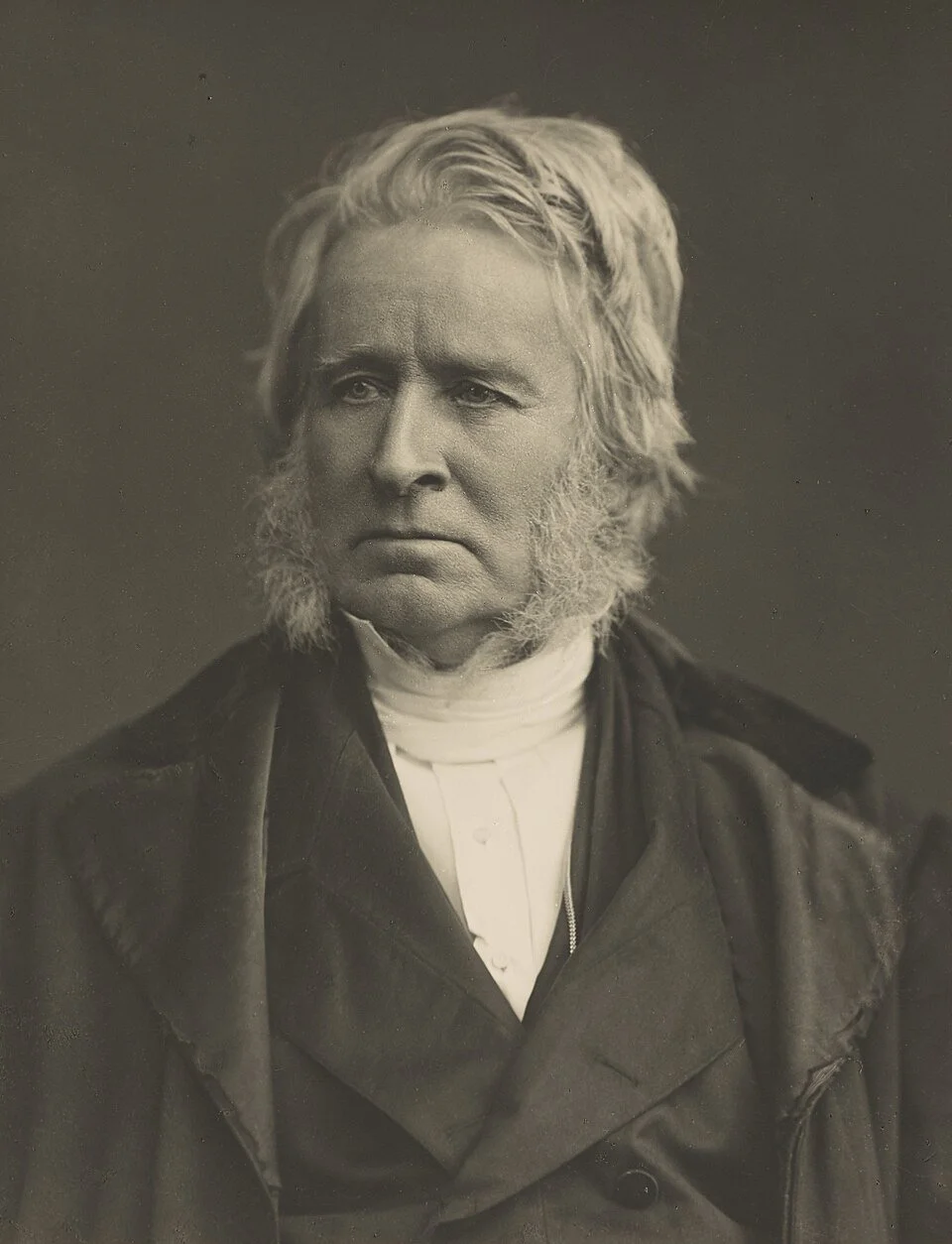
Begg on the Use of the Organ, Preface
James Dodson
[Page v]
PREFACE.
Whatever may be thought of the execution of the following work, the necessity for some such publication will be readily admitted by intelligent Presbyterians. At no previous period, perhaps, were open attacks upon our essential principles of worship from without met by so much ill-disguised ignorance, not to speak of positive treachery, from within. It will be admitted, that if our simple system of worship has no scriptural foundation on which to rest, the sooner it is abandoned the better; whilst if it be, as we believe, in strict accordance with the will of God, the more strenuously it is maintained, and the more strictly it is practised the better, by all those who really seek in their worship the
[Page vi]
blessing which maketh rich, and addeth no sorrow. All sections of the Protestant Church, moreover, seem very much at present in a state of confusion and doubt on such subjects, and a clear enunciation of principle is loudly called for on the part of such as really have a decided opinion, and who seek the glory of God and the highest interests of men.
An attentive observer must have been struck, of late years, with one phenomenon, viz., the comparative powerlessness of the Reformation spirit all over the world, and the growing strength of its great antagonists. This is manifest in Holland, over all America, but especially in Britain; and it is an important and urgent question, Whence does this arise? To many causes may it be partially traced, but we are convinced that the master cause consists in the theoretical and practical abandonment, so far, of the clear and scriptural principles of the Puritans. The present age is, unfortunately,
[Page vii]
not more remarkable for its material progress than for its shallowness and self-conceit in regard to all great spiritual problems and principles. Men who are evidently being tossed like feathers on the great currents which are rising around them, childishly talk of their “progress,” although they are manifestly ignorant of, or indifferent to, the great principles by which nobler men “weathered the storm” in the days of old. Deprived of these, and conforming to the world, Samson is gradually shorn of his giant locks, and not only becomes weak as other men, but becomes the very sport of the lords of the Philistines. With these principles, on the other hand, in vigorous exercise, the Church becomes strong and secure, and, with the blessing of her Great Head, “terrible as an army with banners.”
Of late a remarkable thing has happened in Edinburgh. Two of the greatest literary men in Britain, Mr Froude and Mr Carlyle, have agreed in eulogising John Knox as one of the noblest
[Page viii]
of the human race, the true founder of British liberty. This eulogium, we believe, is not exaggerated; but how did John Knox go to work in this great achievement? By taking his stand exclusively on the Bible, by asserting boldly the great Puritan principle here expounded in regard to faith and worship, and by using this as an immense lever to upset the gorgeous ceremonial of Rome, under which both spiritual and religious liberty had been buried for ages, whilst at the same time he earnestly sought to extend the most enlightened education amongst all classes of the people. If we would preserve the fruits of his labours, we must take our stand on the same principles, and follow without faltering the same noble example. If these principles are abandoned, the overthrow of the entire work of Knox is only a question of time.
EDINBURGH, April, 1866.