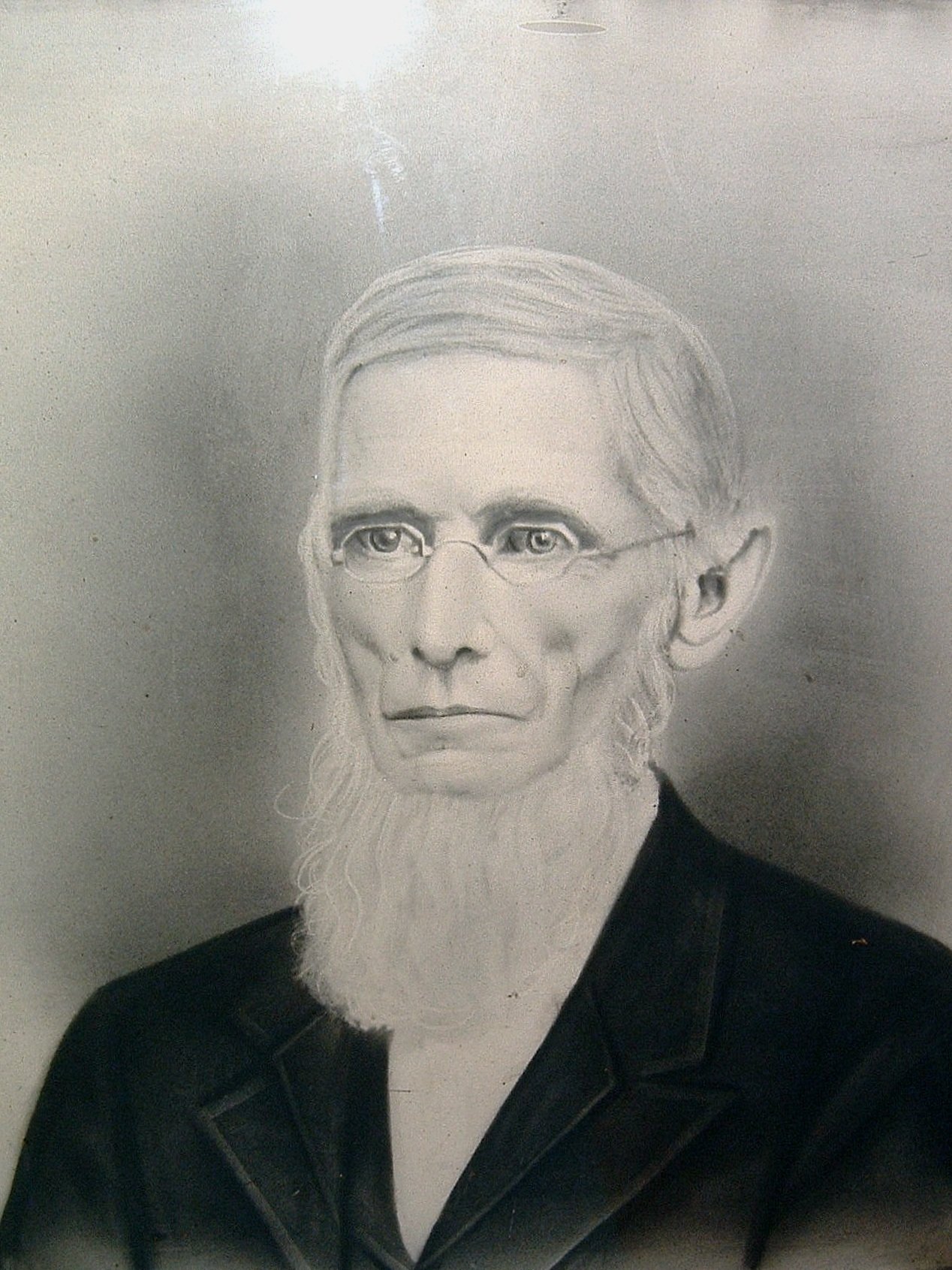
An Examination of Authority for Making Uninspired Songs, and for Using Them in the Formal Worship of God.
James Dodson
BY
J.B. JOHNSTON,
PASTOR UNITED PRESBYTERIAN CHURCH, ST. CLAIRSVILLE, O.
“But in vain they do worship me, teaching for doctrines the commandments of men.”—Matt. xv. 9.
ST. CLAIRSVILLE, Ohio:
JOHN STUART.
1871.
TO
THE MEMORY OF
MY DEARLY BELOVED
AND
VENERABLE FATHER AND BROTHER
IN
THE MINISTRY,
THIS LITTLE VOLUME
IS
VERY AFFECTIONATELY INSCRIBED
BY THE AUTHOR,
J. B. JOHNSTON.
St. Clairsville, O., May, 1871.
CONTENTS.
CHAPTER I.
PRINCIPLES PECULIAR TO THE ORDINANCE OF PRAYER EXAMINED, AS PRELIMINARY TO THE QUESTION INVOLVING THE ANALOGY OF PRAYER, PREACHING AND PRAISE.
What are the essential elements of prayer?—Human inability to pray—The spirit of prayer a grace of the Holy Spirit—This grace a promised blessing—Acceptable prayer is inspired—This inspiration explained and distinguished.
CHAPTER II.
AN EXAMINATION OF THE ASSUMED ANALOGY AND PARALLELISM BETWEEN PRAYER, PREACHING AND PRAISE.
The assumption stated and questions examined—Scriptural elements of the ordinance of preaching the gospel—Principles of analogy applied—Scriptural elements of the ordinance of praise—Important distinctions applied—Parallelism found wanting.
CHAPTER III.
REVIEW OF THE DOCTRINE OF UNINSPIRED PRAYER, PRAISE AND PREACHING, AND THEIR ASSUMED PARALLELISM.
Review of a reviewer—Inspired and uninspired men placed in the same category—Divine inspiration and poetic genius in the same category—Authority of Divine inspiration weakened—Illogical comparisons—Mistranslations, paraphrases, etc., examined—Fallacy exposed—Absurd claims of Church prerogative—The Church passing on translations, or versions, not analogous to passing on Hymn-Books.
CHAPTER IV.
EXAMINATION OF SCRIPTURE AUTHORITY CLAIMED FOR MAKING AND USING, IN TIIE FORMAL WORSHIP OF GOD, UNINSPIRED SONGS.
In what we agree—In what we differ—Demand of negative proof unreasonable—In the true issue our brethren affirm—Five affirmative Proof-Texts for the Presbyterian system of Psalmody—Our friends argue both sides of the true issue—Irrelevant verbal criticism—Appeal to reason and argument from the “stronghold” texts—Authority from command—A representative paragraph examined—The leading point of assumption, its identities and deductions therefrom—The argument from Scripture example—Entrance into Jerusalem, Luke xix. 38—“Pattern” for Presbyterian hymn-making—The second “pattern” case for so making, Acts iv. 24—Impromptu Prayer-meeting, or Committee on Revision of Bible Psalms—Commentators—Barnes and Jacobus—Reflections.
CHAPTER V.
THE SCOTTISH VERSION OF THE BOOK OF PSALMS VINDICATED AS A TRANSLATION.
Importance attached to the question of translation—No other version subjected to such extreme criticism—Mistranslation defined—Charges of gross mistranslations examined—The First, the Sixteenth, and the Sixty-ninth Psalms vindicated from charges of gross mistranslation—Mistranslations in the prose Bible compared with the worst examples in Rouse—Charges of patchwork and paraphrase of Rouse examined—Manufactured patches charged to the account of Rouse—Specimens of similar and greater patches in our English version—Various classes of specimens—Use of Divine names, when not in the original, charged as a prejudice against Rouse—Superabundance of similar instances in our prose Bible.
CHAPTER VI.
THE SCOTTISH VERSION COMPARED WITH THE SEPTUAGINT.
Why this comparison—Its importance in this discussion—The established Opinion and decision of the Churches in regard to the Septuagint as a translation—Its defects compared with those of the Scottish version—The claims of the Scottish version sustained by such comparison—Luther’s translation incidentally noticed—Inferences.
CHAPTER VII.
CONCLUSION.
The argument from history—Very briefly noticed—Of comparatively little importance in this controversy—Yet some facts of history with consideration—The Palatinate Churches—History not the rule of faith and worship—The mistake and its fatal consequences—Appeal to our readers—Address to brethren in the ministry—Appeal to the friends of union.