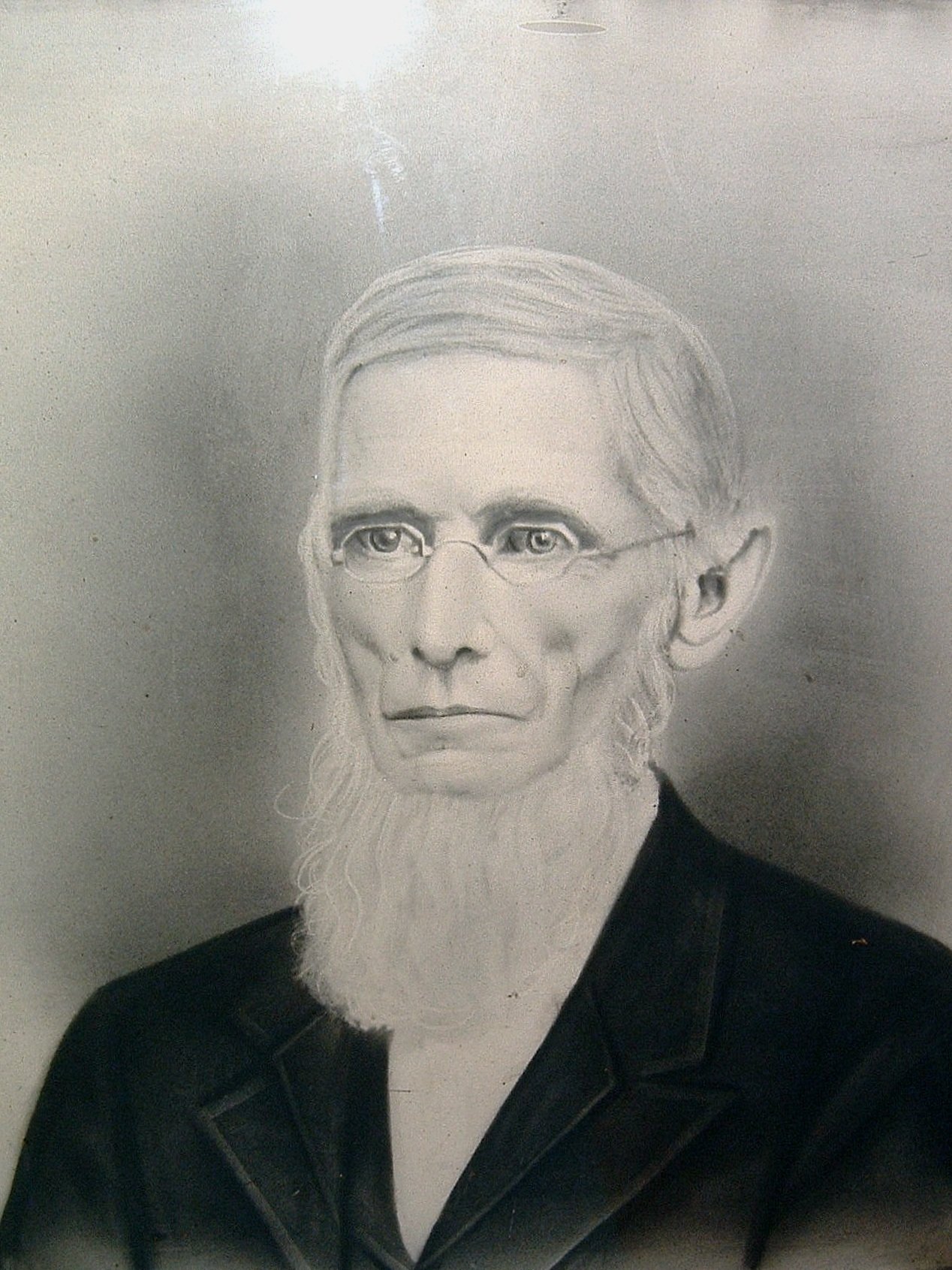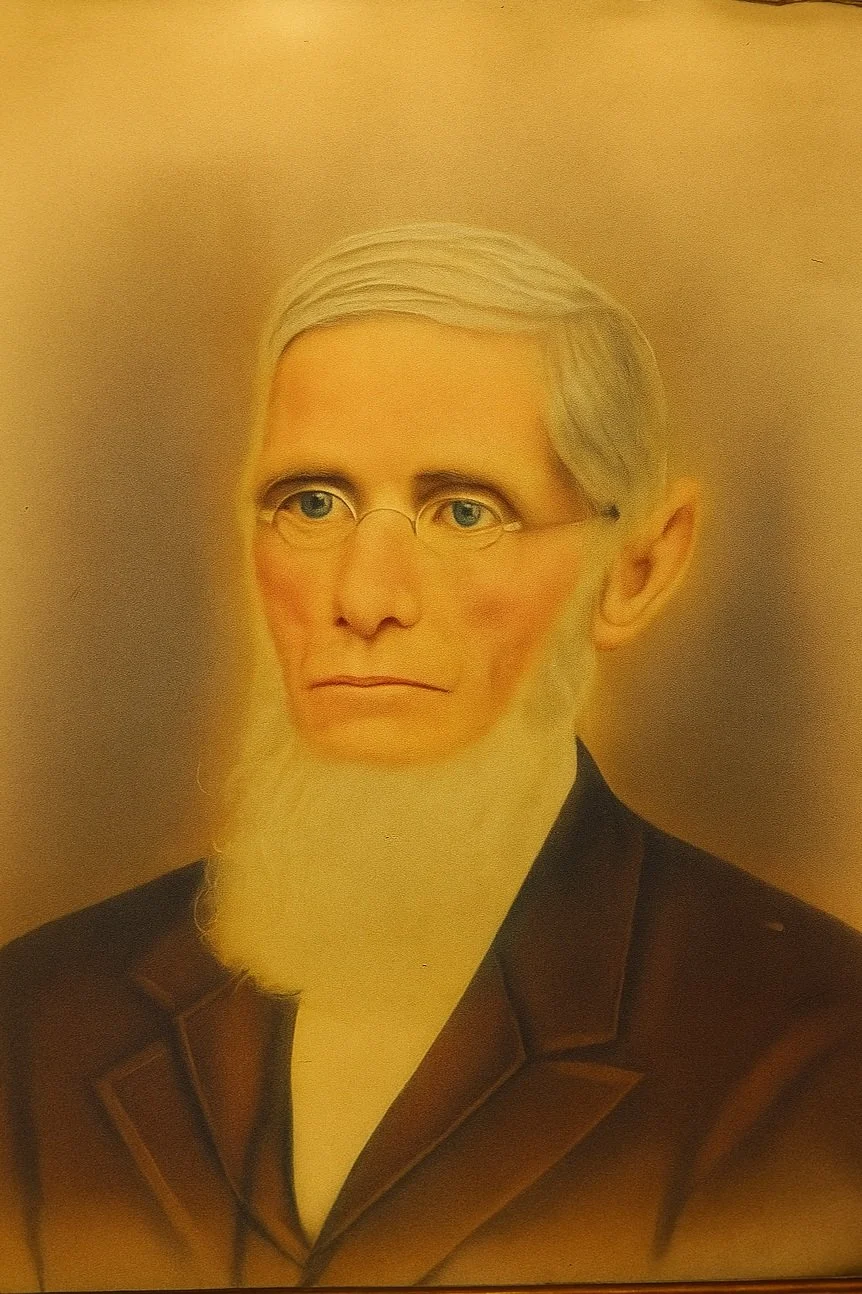
John Black Johnston (1802-1882)
James Dodson
Biographical Sketch
Son of Nathan and Mary (Black) Johnston, was born near Clarksburgh, Indiana County, Pennsylvania, March 13, 1802. His parents were consistent members of the Seceder Church. They removed to Hopedale, Harrison County, Ohio, in 1805, where they connected with the Covenanter Church under the ministry of the Rev. Robert Wallace, and were prominent members in the Greenfield congregation, now extinct. He received his early studies in the schools of this vicinity, and, in 1823, began his classical studies in Jefferson College, and graduated from Franklin College in 1829. He studied theology under the direction of the Rev. John Black, D. D., of Pittsburgh, Pennsylvania, and was licensed by the Pittsburgh Presbytery, October 3, 1832. He was ordained by the Ohio Presbytery, and installed pastor of the Miami congregation, Northwood, Logan County, Ohio, June 10, 1834. In 1841, he opened a classical school in his own house, which grew into Geneva College in 1848. In 1851, he also founded the Geneva Female Seminary, and erected the buildings for both these institutions. He was Principal of the College from 1848 to 1850, and Professor of Theology from 1852 until 1856. He resigned all his charges, and connected with the United Presbyterian Church, being received by the Sidney Presbytery, November 10, 1858. He was installed pastor of the congregation of St. Clairsville, Ohio, May 17, 1859, where he continued to labor until impaired health caused him to resign the charge, June 9, 1874. In 1870, he was appointed Postmaster of St. Clairsville, and resigned this office in 1881. His health gradually declined until his death, at his home in St. Clairsville, Ohio, October 24, 1882. He was twice married. His first wife was Miss Sarah Bruce, of New Athens, Ohio, April 29, 1828; and his second, Miss Elizabeth Boyd, of Cherokee, Ohio, November 2, 1841. He was a distinguished conductor on the “Underground Railroad.” He was not only a pioneer in the establishment of the literary institution of the Church, but in the work of the Foreign Mission as well. In 1846, he was sent to Haiti by the Synod, to explore that Island as a probable field for missionary operations, and was prominently connected with work in this direction. He was piously attached to the principles of the Covenanter Church, and only left her communion on account of internal dissentions which frequently mar the fellowship of brethren. He never fully abandoned the Covenanted cause, and was held in high esteem by the Church in which he closed his earthly career. He was honored with the degree of Doctor of Divinity by Franklin College in 1869. Among his many able and valuable publications are “The Signs of the Times,” 1858, pp. 27. “Psalmody,” 1871, pp. 172. “The Prayer Meeting,” 1870, pp. 260. He was Moderator of the Synod of 1845.
Works: