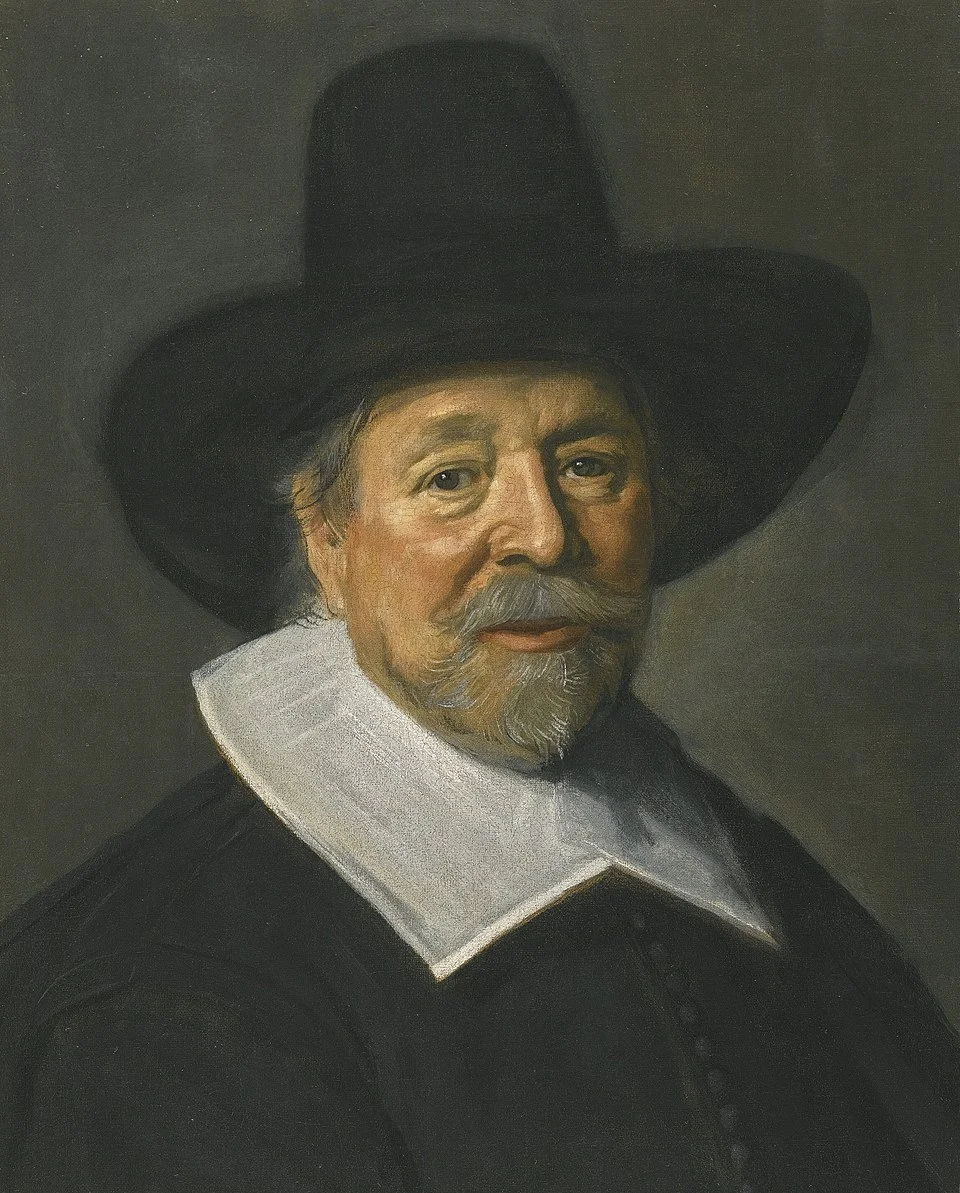
John Livingston (1603-1672).
James Dodson
Biographical Sketch
John Livingston (1603–1672) was born at Kilsyth, Stirlingshire, on 21 June 1603, the son of William Livingston, minister of Monybroch and later Lanark, and Agnes Livingston of the house of Dunnipace. Educated at Stirling and the University of St Andrews, he resolved to enter the ministry after a day of spiritual meditation in a cave on the banks of Mouse-water. Licensed as a preacher in 1625, he was prevented by episcopal regulations from obtaining a parochial settlement and instead served as chaplain to the earl of Wigton at Cumbernauld from 1627. It was during this period that he preached the celebrated sermon at the Kirk of Shotts on 21 June 1630, following a night of prayer, which produced an extraordinary revival and is said to have converted some five hundred persons.
In August 1630, Livingston accepted the charge of Killinchie in the north of Ireland, where he ministered with remarkable success but faced continual episcopal persecution, being deposed in 1632 and again in 1635. Twice he attempted to emigrate to America, and twice contrary winds drove him back. After his marriage in 1635 to a daughter of Bartholomew Fleming of Edinburgh, he continued to preach privately in Ireland and Scotland until the collapse of episcopal authority in 1637 enabled him to emerge openly. He was present at the receiving of the Covenant at Lanark and served as a commissioner to London in disguise. In July 1638, he was inducted to the parish of Stranraer, where his ministry drew large numbers of Irish Presbyterians across the water to hear him, and he was a member of the historic Glasgow Assembly that abolished episcopacy in Scotland.
Translated to Ancrum in Roxburghshire in 1648, Livingston served as one of three clerical deputies sent to treat with Charles II at the Hague in 1650, though he privately doubted the king's sincerity. After the Restoration, he fell under government displeasure and was banished from Scotland in April 1663, never to return. He settled at Rotterdam among fellow exiled ministers and devoted his remaining years to biblical scholarship, preparing a polyglot Bible that earned the approbation of the learned. He died on 9 August 1672, in the seventieth year of his age.
WORKS: