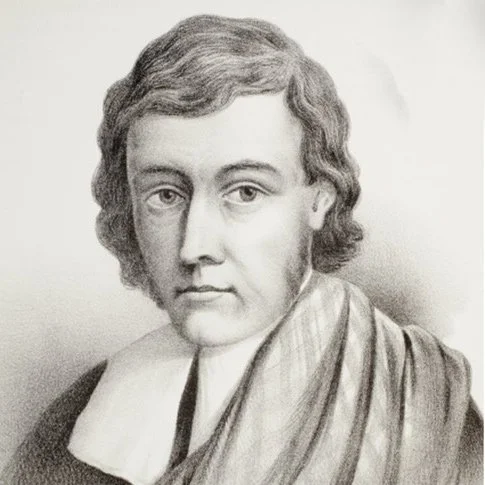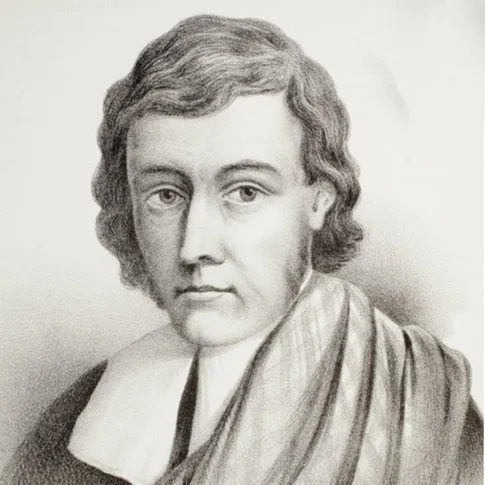
Donald Cargill (c. 1619–1681)
James Dodson
Biographical Sketch
Donald Cargill was a Scottish Covenenting preacher born in Rattray, Perthshire. Educated at Aberdeen and St. Andrews, he was ordained in 1655 and became minister of the Barony parish in Glasgow. A man of deep conviction, Cargill first gained prominence upon the Restoration in 1660, when he publicly denounced the event as a calamity and pronounced woe upon Charles II for treachery and tyranny. Deprived of his benefice and banished beyond the Tay in 1662, he defied the sentence and became a field preacher, fiercely criticizing ministers who accepted the 1672 “indulgence.”
Following the Battle of Bothwell Bridge in 1679, where he was wounded, Cargill joined Richard Cameron in establishing the Cameronian movement. He helped draft the Queensferry Covenant and the Sanquhar Declaration of 1680, which declared war on the king. His most notorious act came in September 1680 at Torwood, where he unilaterally pronounced a solemn excommunication against the king, the Duke of York, and several other royal officials. A large reward was subsequently offered for his capture. After numerous escapes, he was seized at Covington Mill on 12 September 1681. Tried for high treason, he was executed at the Cross of Edinburgh on 27 July 1681, facing death with jubilant defiance.
Though his extreme views were not universally shared, Cargill commanded immense popular respect for his fearlessness and self-denying devotion. Contemporaries remembered him as amiable and kind-hearted, with his spoken sermons leaving a far deeper impression than his printed works.
WORKS: