Resolutions
James Dodson
IN REFERENCE TO THE PRESENT POSITION OF THE
ESTABLISHED CHURCH OF SCOTLAND,
UNANIMOUSLY ADOPTED BY THE REFORMED PRESBYTERIAN SYNOD,
AT THEIR MEETING IN GLASGOW, MAY 18, 1842.
1. That this Synod, occupying, as the Church which they represent has done for more than a century and a half, the position of witnesses for the Headship of Christ, the supremacy of His Word, and the liberties of His ransomed people, in conformity with the attainments of the Church of Scotland at the period of the Second Reformation, feel a deep interest in the present position of the Presbyterian Establishment, and regard, with lively satisfaction and gratitude to the God of all grace, the desire manifested by many of its Ministers and People to return to the good old ways, from which so grievous a departure has taken place.
2. That, without holding themselves bound to acquiesce in the soundness of the constitutional arguments by which the present majority of the General Assembly endeavour to vindicate the course pursued by them, this Synod nevertheless warmly approve, on the high ground of Scripture truth, of the fundamental principles of Christ’s sole Headship, the spiritual independence of His Church, and the right of the Christian people to be parties to the formation of the pastoral relation, for which that majority are contending; and the Synod protest against the grossly Erastian opinion, that the civil power, whether supreme or subordinate, has any jurisdiction over the affairs of Christ’s house, or has any rightful authority to review, suspend, or annul the spiritual sentences of the ecclesiastical courts, even although what individuals regard as their civil privileges may be indirectly affected by them.
[Page 2]
3. That the Synod, while they regret that prompt and decisive measures have not been adopted for emancipating the Church from the anti-Christian yoke of patronage, feel gratified in observing the growing opposition to that evil which is now making its appearance—an evil which, so long as it is permitted to exist, howsoever modified, will hold the Church in bondage still—and an evil which should forthwith be faithfully condemned and repudiated, as an intolerable infraction of the rights of the members of Christ’s body, and a flagrant violation of God’s holy Word.
4. That though the Act of Queen Anne merits unsparing reprobation, as an Erastian interference with the independence of the Church, as a breach of the Treaty of Union, and as manifestly designed by its promoters to subserve the interests of the Stuart faction; yet the mere repeal of that Act would not reach the root of the evil, or fully achieve the independence of the Church, inasmuch as at the Revolution Settlement the election of ministers was vested in the Heritors and Kirk-session—the members of the Congregation being thus deprived of their Scriptural privilege—while the tenure by which these electors held and exercised their right was a purely civil act; the secular power thus practically asserting its title to legislate in spiritual matters, and thereby infringing on the independent jurisdiction of Christ’s Church.
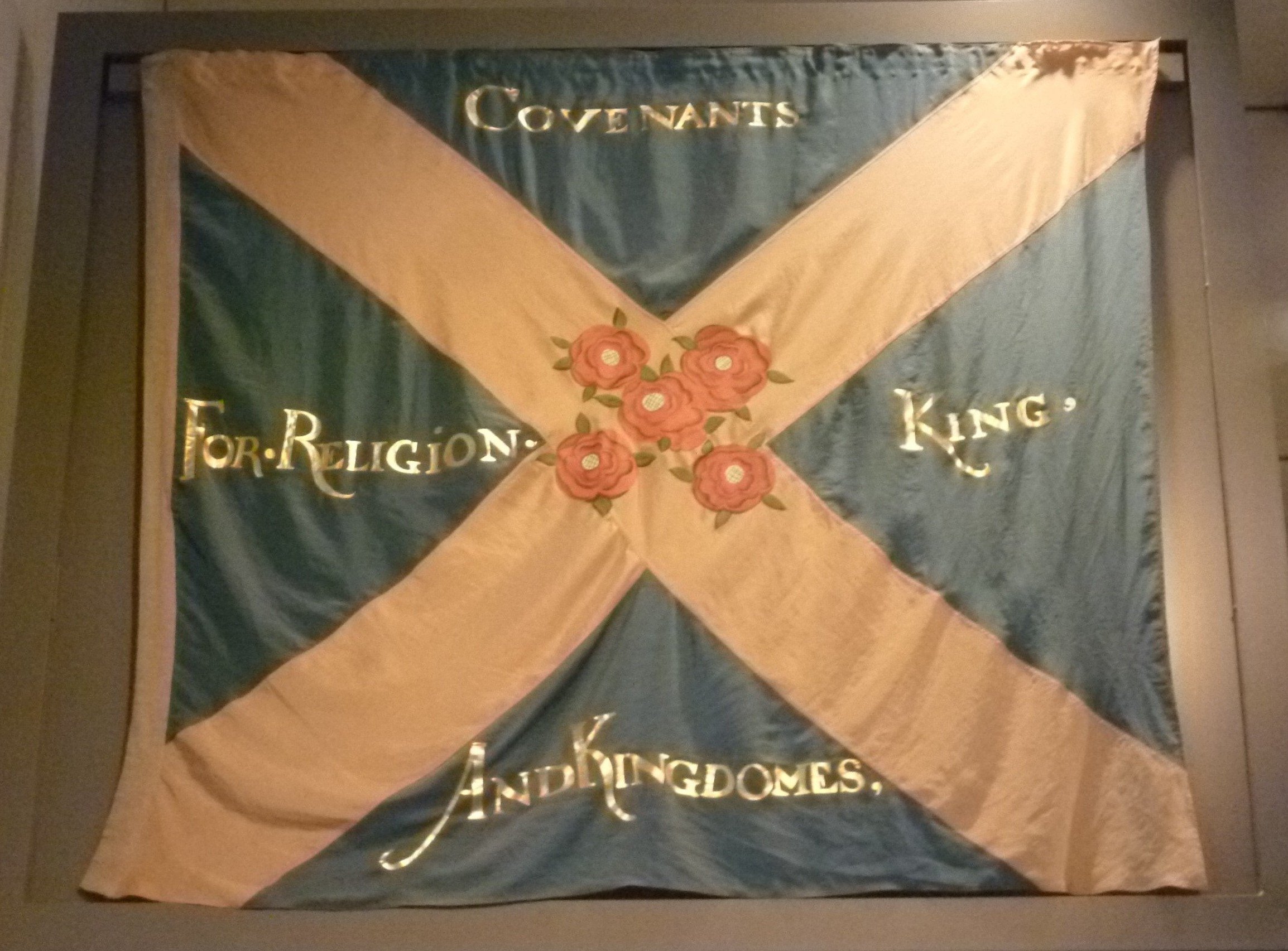
5. That besides the objectionable course pursued in the Revolution Settlement with respect to the calling of Ministers, this Synod continue to protest against it, as they have heretofore done, inasmuch as it is Erastian in its origin, inconsistent with the obligation of our National Covenants and the Divine right of Presbyterian Church Government, and leaves the whole of the Second Reformation both in Church and State under the condemnatory sentence of the Acts Rescissory; while the Act of Union not only sanctioned the iniquitous repeal of that glorious work, but brought Scotland under a direct obligation permanently and inviolably to preserve in England the opposite system of Prelacy. And the Synod hold it to be an imperative duty of the Church of Christ, whatever course Statesmen may choose to take, faithfully and honestly to homologate the attainments and engagements of the Second Reformation.
6. That this Court lament the disposition that has been manifested, even by the friends of the Church’s independence, to accept of an inadequate measure, and the vacillation that has characterised their efforts, and would strongly deprecate the adoption of any such measure for setting at rest the present conflict; convinced that anything short of a full and unequivocal recognition of the
[Page 3]
spiritual jurisdiction of the Church, and of the right of Church members in full communion to choose their own pastors, though it may serve to hush the present controversy, will at the same time furnish materials for one still more perilous at some future, and, it may be, not far distant day; and that although this Court maintain that the nations are bound, by the allegiance they owe to Christ as the reigning Mediator, to countenance, protect, and encourage His Church, yet, as her existence, purity, and efficiency, are not necessarily dependent on her being legally established, the advantages of such a position are by no means sufficient to countervail the mischief arising from a surrender of any portion of God’s truth, and never can warrant her to make the slightest compromise of the spiritual independence of her Courts, and the purchased liberties of her people.
7. That while this Synod rejoice that sounder views are beginning to be taken with respect to the universality of Christ’s Headship, they regret that a faithful application of this principle is not made to the Divine ordinance of civil rule—an ordinance which, though not founded in grace, but originating with God, as Governor of the Universe, is nevertheless placed by Him under the moral dominion of the Mediator, and ought therefore to be administered in accordance with His law, and in subserviency to the interests of His kingdom; and that even those who to some extent admit this important doctrine, think it warrantable to occupy a position in which, as it appears to this Synod, they homologate the evils of the British Constitution.
8. That this Church, conscious of manifold shortcomings, which call for deep humiliation, nevertheless feel grateful to God that they have hitherto been enabled to maintain a testimony for the whole of the Covenanted Reformation, in the face of numerous discouragements; and, animated by the present aspects of Divine Providence, and the promises of God’s Word, they resolve to continue stedfast in their adherence to the principles they have espoused, and in their exertions to promote the cause and kingdom of the Redeemer, in humble and prayerful dependence on the Holy Spirit.
(Signed)
MALCOLM M‘LACHLAN, Moderator.
A. M. ROGERSON, Clerk.