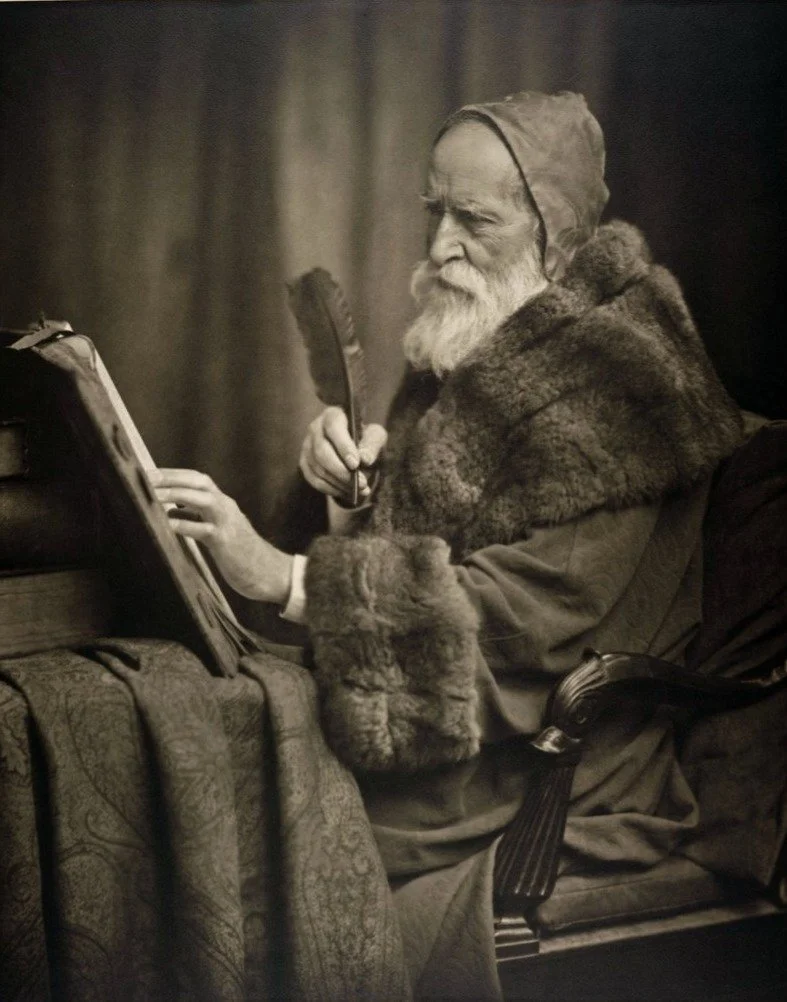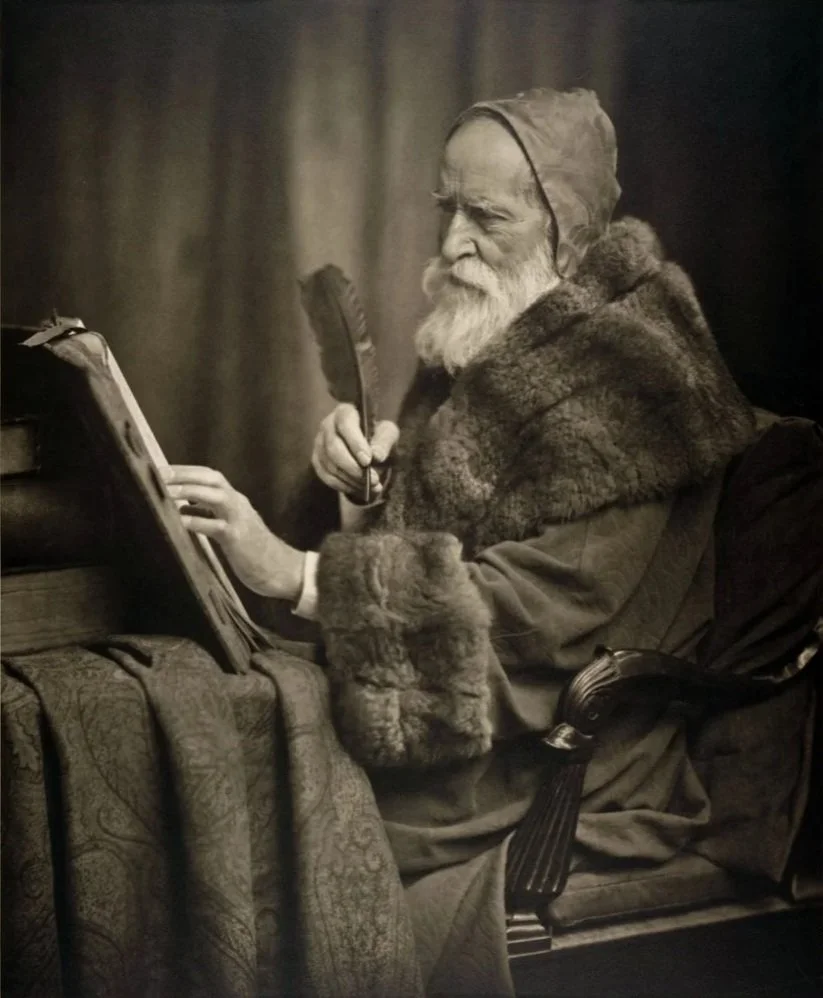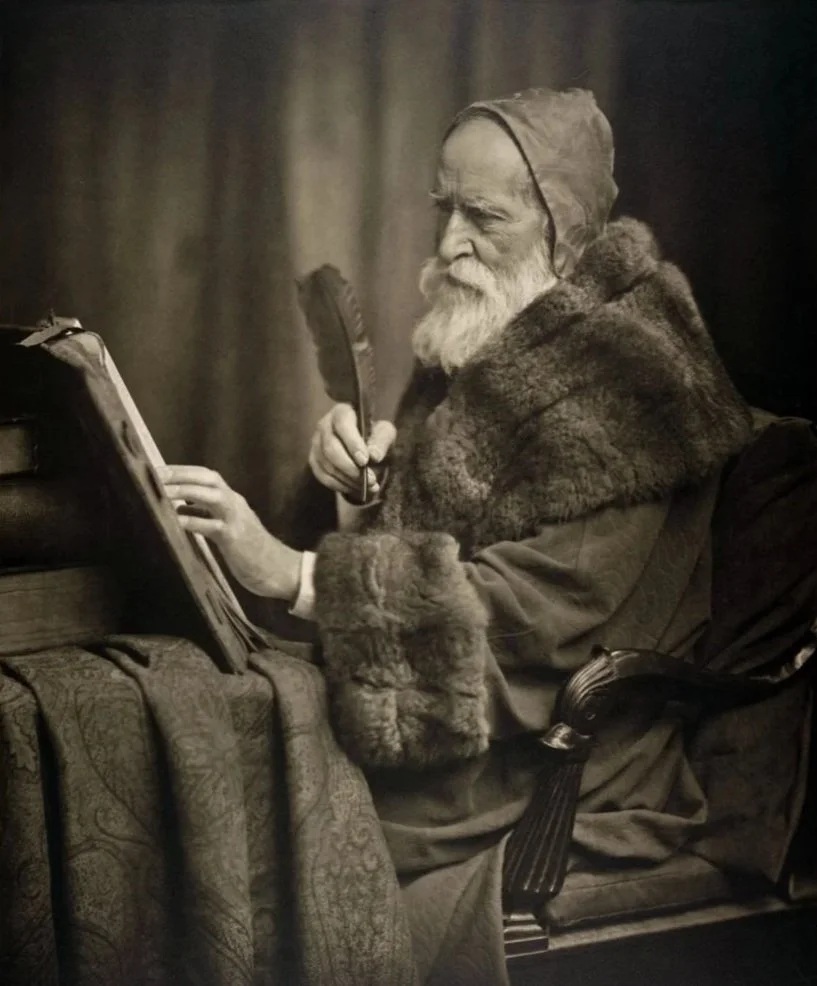
David Hay Fleming (1849-1931)
James Dodson
BIOGRAPHICAL SKETCH
David Hay Fleming was born at St Andrews in Fife on 9th May 1849. His father, John Fleming, married Ann Hay on 10th August 1842. Ann’s parents were David Hay (1767-1852), a weaver in Strathkinness, and his wife Christian Walker. John Fleming and Ann Hay had three sons and a daughter. John Fleming ran a china and stoneware business. David Hay Fleming’s father was an elder in Martyrs’ Free Church in St. Andrews and like many old-school Presbyterians, did not approve of Sabbath Schools. Accordingly, David received his early religious instruction at home and later attended a Bible Class. Fleming was educated at Madras College in St Andrews before going into the family business. He clearly did well, because in 1883 at the age of 34 he had the means to retire from business in order to devote himself full time to his main passion in life, the study of Scottish history.
Fleming went on to become a prolific author. His approach to Scottish history was markedly Presbyterian and confessional, and this had an influence on his choice of subject. Among his better known historical works was The Martyrs and Confessors of St. Andrews (1887), Scotland after the Union of the Crowns (1890), Mary Queen of Scots from her Birth to her Flight into England (1897), The Scottish Reformation (1903), Scottish History and Life (3 volumes, 1902), and The Story of the Scottish Covenants in Outline (1904).
Fleming also wrote interesting works early in his career as an author: Guidebook to St Andrews (1881), Charters of St Andrews (1883), and the Guide to the East Neuk of Fife (1886, 2 volumes).
In the early 1900s Fleming lectured on Church History at the University of Edinburgh, and he also played significant roles in the Scottish History Society and St Andrews Cathedral Museum. On his death, the 13,000 books he collected were left to St Andrews University.
WORKS: