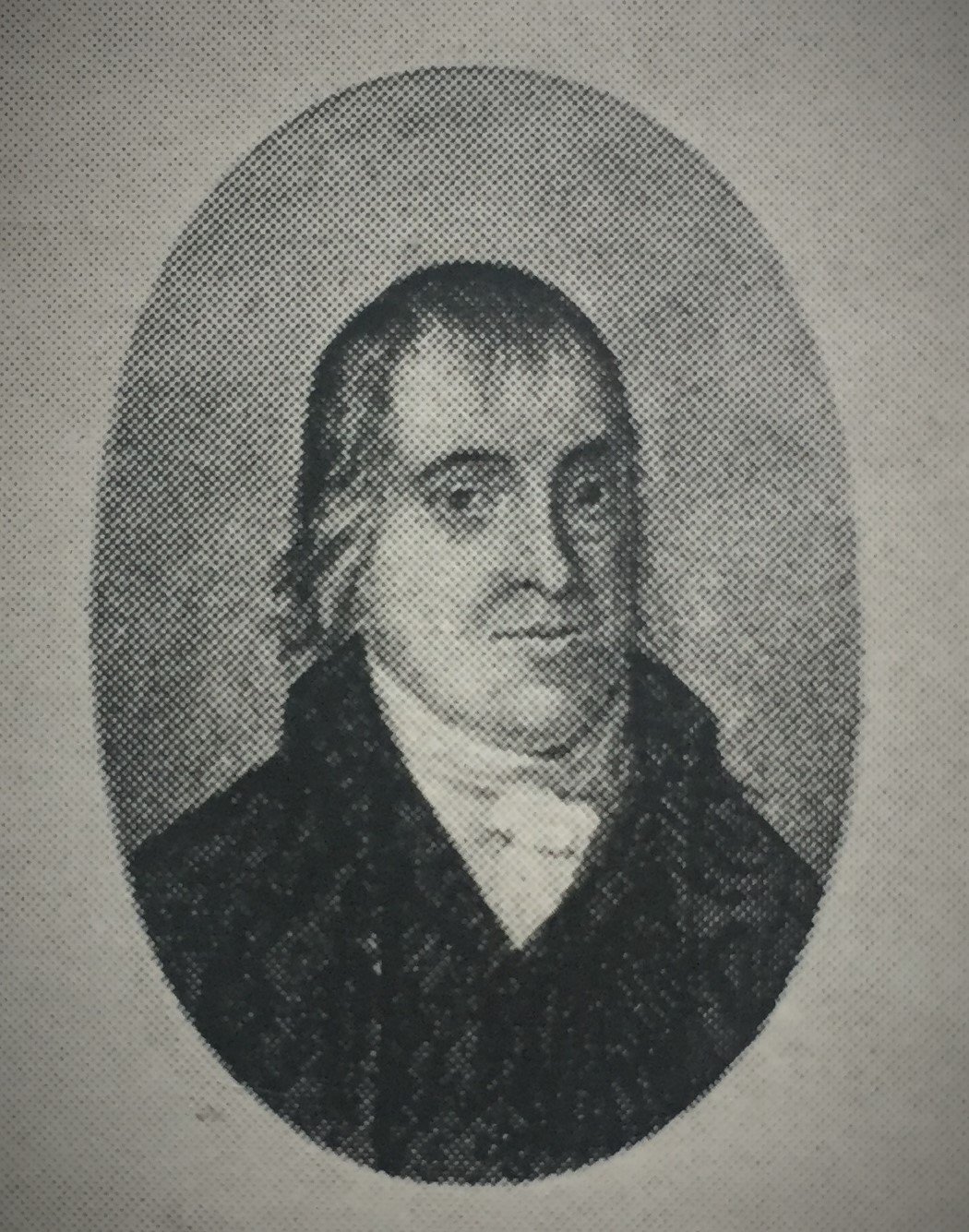
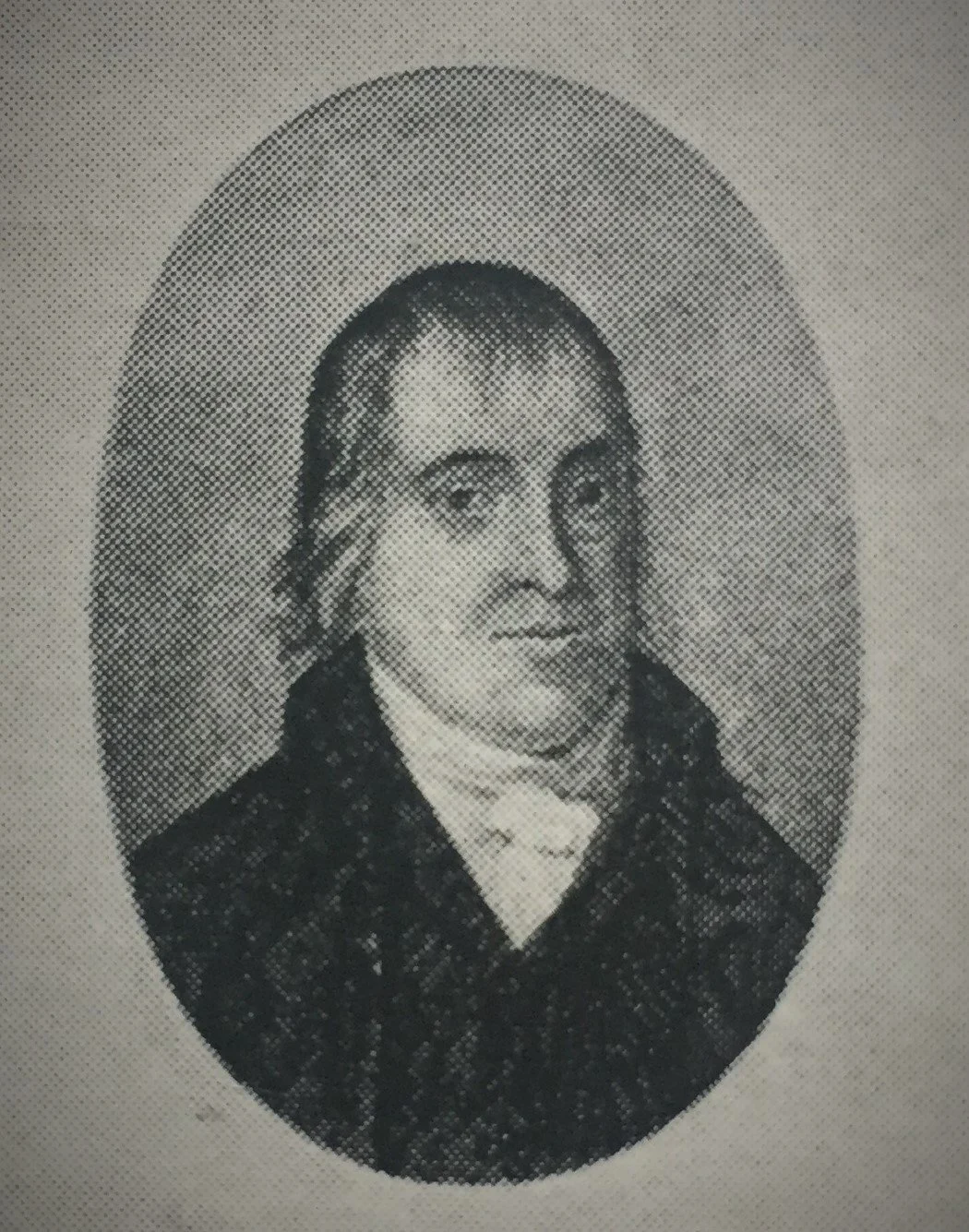
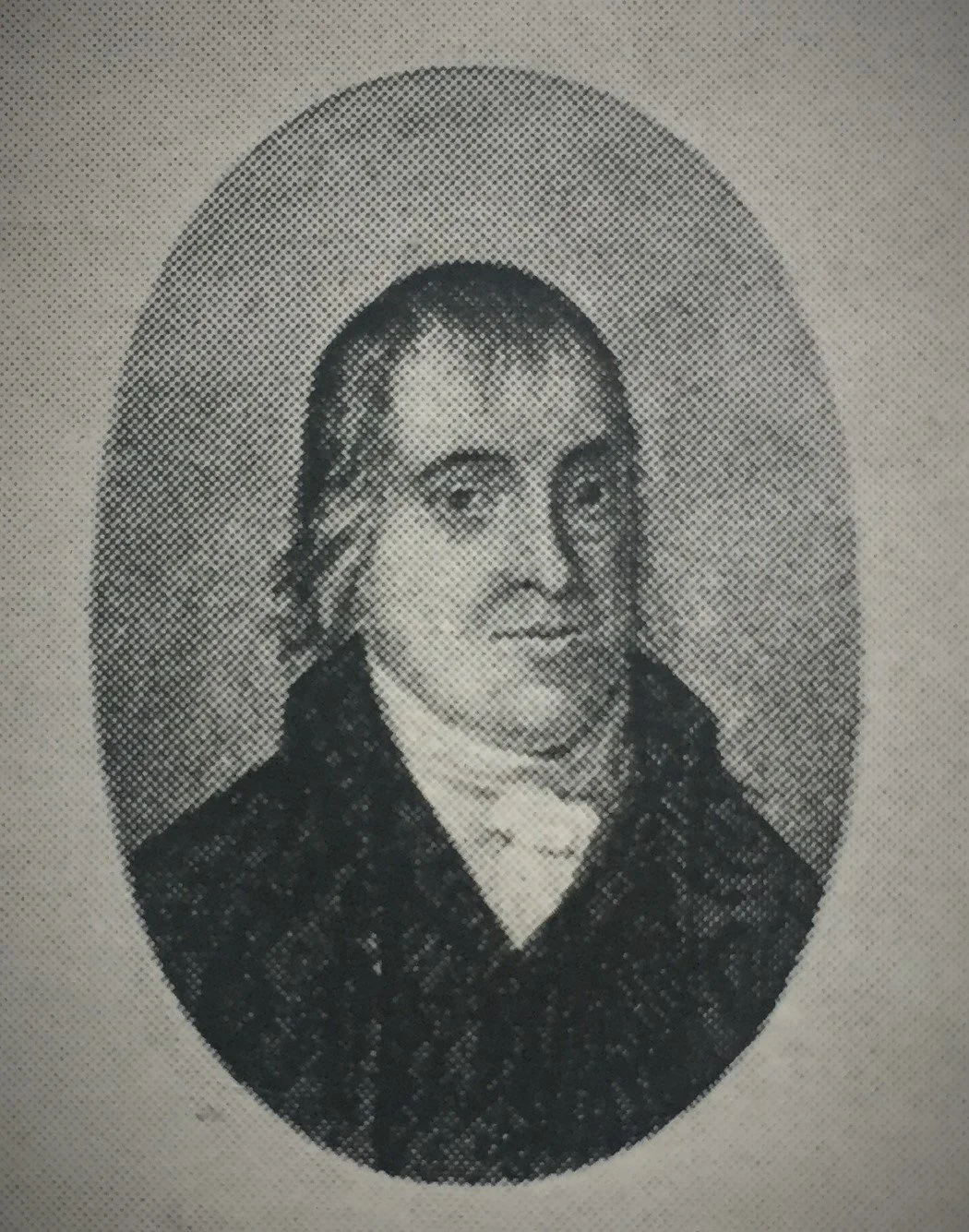
Archibald Mason (1753-1831)
James Dodson
Biographical Sketch
Born at Bargady, Old Monkland, Lanarkshire, on September 15, 1753, to parents driven into the Secession church on account of some dissatisfaction with the moral character of their minister in the Church of Scotland. He received a country school education, was apprenticed to a sadler, and then entered into Glasgow University and passed through the ordinary Arts course, taking also classes in divinity. Having been attracted to the Reformed Presbyterian testimony, he joined the congregation at Sandhills. He was licensed to preach on August 12, 1783, and at the same time was appointed clerk to the Presbytery, a post which he held till nearly twenty years till March 1806. The necessities of the Church at the time prevented his immediate settlement in a congregation, but he had calls from Perth, Dundee, Hamilton, and Wishawtown. He was ordained over the Wishawtown congregation at Flemington, in the parish of Dalziel, on May 1, 1787, and remained there until the end of his ministry. He was the first Reformed Presbyterian minister to give himself over to much literary endeavour. Mason was strong intellectually and wrote much on prophetical and apocalyptical subjects. He died on November 19, 1831.
Works:
1793-Reformed Presbytery, of Scotland.-This is a testimony, largely the work of Archibald Mason, designed to refute the errors of Socinians and Unitarians while giving a full exposition to the doctrine of the Holy Trinity in its several relations.
1799-Archibald Mason.-A thorough survey of Biblical data and theological reasoning on the subject of covenanting. Mason discusses the duty, obligations and blessings which accrue to churches and nations that enter into this ordinance.
1814-Archibald Mason.-An excellent Postmillennial sermon explaining the Biblical rationale for believing that the future conversion of the Jews will be accompanied with a worldwide spiritual illumination of the Gentile nations. While not having every matter in order, Mason does achieve his goal of demonstrating from Scripture the revival that will overtake both Jew and Gentile shortly prior to the Millennium.
1818-Archibald Mason.-Five discourses on prophetical subjects each containing many pious notes and counsels. Although his predicted time table has proved wrong at points, many of his observations remain true and await their proper time of fulfillment.
1818-Archibald Mason.-This supplemental essay was written by Mason to defend his contentions regarding the beginning of the 1260 year apostasy. Particularly, he is critical of a paper written in defense of starting that period in 756 A.D. Much of his criticism revolves around his belief that civil power is not necessary for the constitution of Antichrist. In this, it is our belief that Mason was wrong; nevertheless, his discussion is helpful to studying prophetic numbers.
1820-Archibald Mason.-These essays consider the knotty question of Daniel’s 2300 days and the reason the church ought to be interested in such numbers. Although Mason’s dating was wrong, he shows many of the principles necessary to finding and fixing dates to show fulfillment of prophecy. The principle is not wrong, the application failed to take some things into account which the unfolding of history makes clearer. History interprets prophecy but the numbers of Scripture may help us narrow the window of those predictions.
1825-Archibald Mason.-This series of 16 sermons, on Romans 11, gives a full treatment to the apostolic teaching on the conversion of the Jews and its relation to the Millennial glory of the church. Mason was a great student of prophecy and is often helpful, and his treatment of the unbelief and eventual conversion of the Jews makes for compelling reading.
1827-Archibald Mason.-An exposition of the sixth vial and its relation to the rise and fall of Islam. Mason discusses the Turkish empire and its role in the unfolding of prophecy.
1827-Archibald Mason.-This 1827 sermon by Archibald Mason, minister at Wishawtown, interprets the “seventh vial” of Revelation 16:17 as a prophecy of the impending fall of Roman Catholicism and secular despotism. Mason calculates that the sixth vial will be fulfilled around 1843 with the collapse of the Turkish Empire, followed by the seventh vial circa 1866, which will usher in the millennium and Christ's reign on earth by 1867. The work offers a detailed millenarian reading of biblical prophecy applied to contemporary world events, outlining the purification of the Church and the establishment of God’s kingdom following these predicted judgments.
1829-Archibald Mason.-A excellent presentation of the doctrine and practice of saving faith. Mason presents a classic Protestant exposition with several notes that remind the reader he was a Covenanter.
1831-Andrew Symington.-Two sermons delivered on the occasion of the death of Archibald Mason. In these, Mr. Symington discusses the nature of death and how it differs for the saints. Importantly, he stresses the resurrection of the blessed dead and their future glory.